Introduction
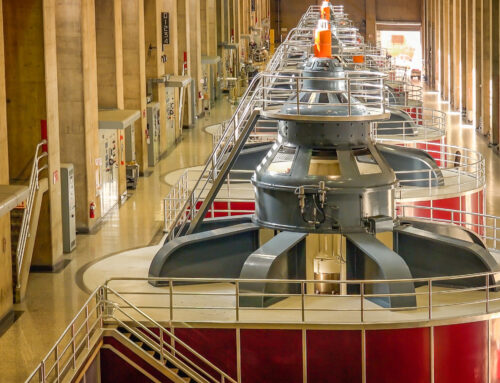
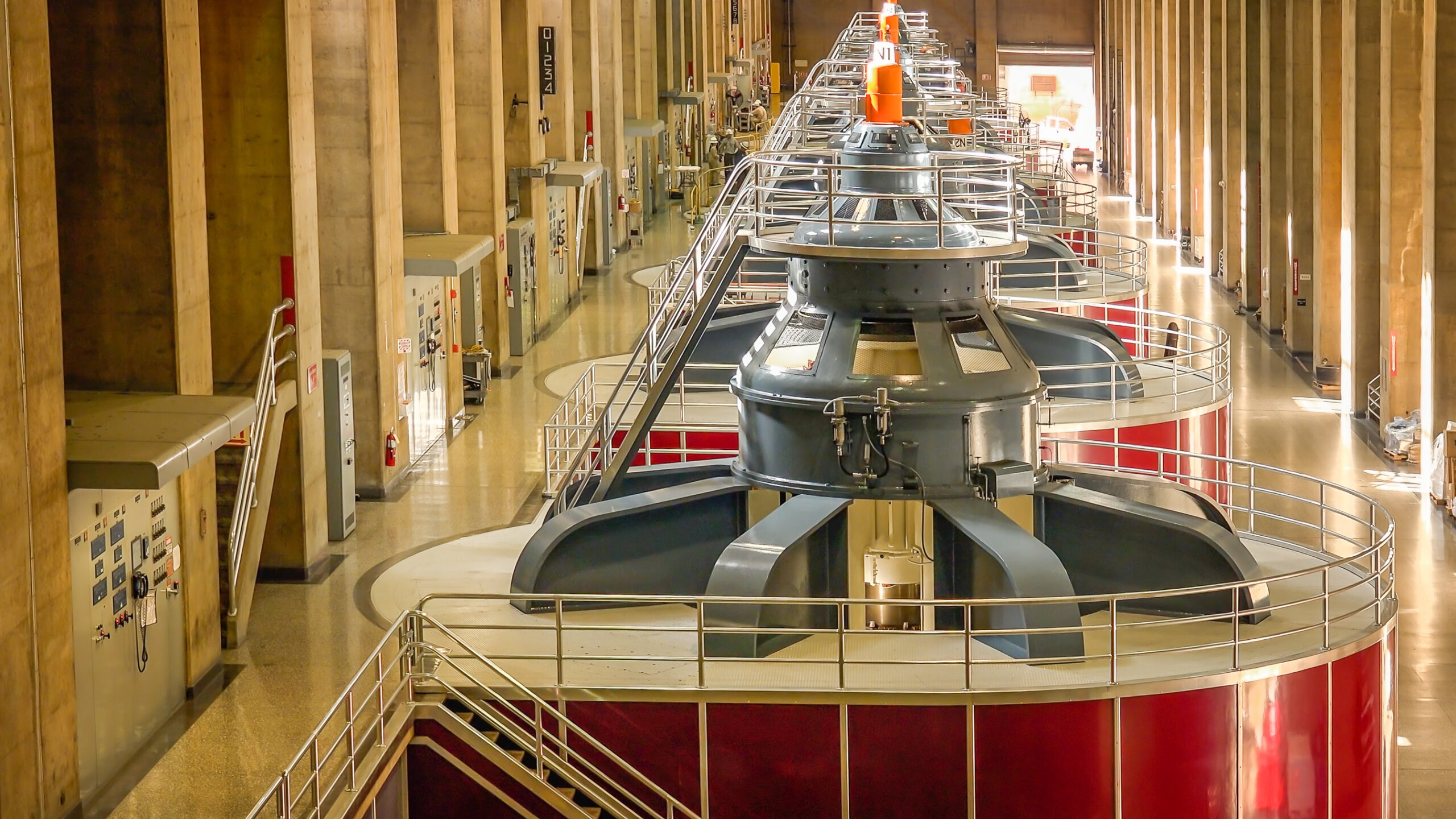
Winter layup can be hard on hydro power units. Bearings sit idle, oil rests, temperatures swing, and moisture tries to creep in. If you are planning hydro turbine repair or a seasonal shutdown, it pays to understand the risks and build a simple plan to protect your bearings. In this guide, you will uncover five common bearing risks during winter layup, practical prevention steps, and signs that point to a needed repair. Protect your assets and reliability, and reduce downtime when the thaw arrives. Read the guide now.
Fusion Babbitting Co., Inc. has supported hydro and pump storage facilities since 1988 with expert Babbitt bearing services. From repair and rebabbitting to new manufacturing, Fusion Babbitting helps maintenance teams keep turbines, pumps, and electric motors running smoothly. This article shares proven field practices that align with the services we deliver every day.
Why Winter Layup Puts Bearings at Risk
When a turbine is offline for extended periods, the lubrication system often runs less or not at all. Without warm oil flow and regular rotation, bearings must endure static load, cold starts, and moisture cycles. Housing temperatures can drop at night, then rise when the powerhouse warms during the day. Those shifts drive condensation. Moisture can enter through breathers, open vents, or imperfect seals. Meanwhile, small vibrations from nearby equipment or water flow can imprint the races and journals of rolling or plain bearings.
Hydro turbine repair teams face another challenge. Oil that sits can oxidize. Additives settle out. If varnish forms on the journal or the Babbitt layer, your bearing will not carry load as designed. Starting up after a long layup then becomes a test. Slow roll, heat runs, and alignment checks may reveal problems that were easy to prevent before shutdown.
The 5 Bearing Risks You Must Address
1. Condensation and Moisture Ingress
Moist air is a top threat during winter layup. Cold housings act like a magnet for condensation. If the unit is near a wet pit or draft tube, humidity can creep into seals and vents. Over time, water dilutes oil, attacks soft metal surfaces, and starts corrosion in steel and bronze components. Babbitt alloys resist many oils, but trapped moisture can pit surfaces and undermine bond strength if corrosion spreads at the interface.
- Warning signs include milky oil, rust staining on hardware, small pits on the journal, and a water layer in the reservoir or sight glass.
- Performance impacts include low film strength, higher friction at start, and a greater chance of wiping the Babbitt under load.
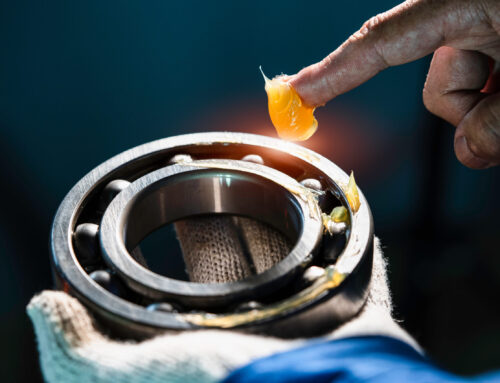
Prevention: keep breathers dry, consider a small heater or dehumidifier for the housing, plug open vents as allowed, and use a quality oil mist or fogging practice if approved by your procedures. Rotate the shaft on a schedule to move oil across surfaces. Store spare bearings in sealed, dry containers.
2. Static Brinelling and False Brinelling
Even when a unit is shut down, small vibrations can leave marks on races or journals. Static brinelling is a permanent indentation in a raceway or a localized area of a plain bearing caused by load. In contrast, false brinelling is a fretting wear pattern formed by small oscillations that push lubricant out and create a polished ring with reddish debris. Both problems create noise, heat, and uneven load when the unit returns to service.
- Warning signs include repetitive noise at specific rotation speeds, raised temperature spots on the housing, and visible fretting debris during inspection.
- Performance impacts include shorter bearing life, reduced film stability, and an increased risk of wipe or seizure during run-up.
Prevention: isolate the shaft from vibration when possible, use locking or hold-down devices per OEM guidance, and schedule periodic slow roll to distribute lubricant. Consider protective coatings or preservatives on exposed journal areas. For large thrust or guide bearings, a routine jiggle test or micro-rotation by hand can help keep film in place if procedures allow.
3. Oil Degradation and Varnish Formation
Oil that sits during winter can oxidize faster if it has moisture, air, or metallic catalysts present. Additives can drop out. Varnish may form as thin, hard deposits on Babbitt, journals, and oil passages. These deposits trap heat and reduce film thickness. They also lead to sticky bearings that do not respond well during start and stop cycles.
- Warning signs include darkened oil, a sticky feel on the journal or bearing surface, higher amperage on oil pumps at start, and filters that load faster than normal.
- Performance impacts include higher bearing temperature, slow lift on hydrodynamic films, and potential start-up rubs.
Prevention: sample oil before shutdown and again mid-layup. Use breathers with desiccant. Keep tanks sealed and clean. If oil already shows oxidation, plan filtration with a kidney loop and consider varnish removal resin. During recommissioning, bring oil to temperature and circulate before rolling the unit.
4. Misalignment Creep and Thermal Movement
Concrete and steel structures move as temperatures change. Support pedestals can expand and contract. If housings or shells are not well secured, the bearing can creep in the saddle. Even small shifts can introduce misalignment between guide, thrust, and generator bearings. Over a winter, that misalignment can show up as edge loading, uneven wear, or shaft bow at start-up.
- Warning signs include witness marks where shells moved, uneven contact patterns on Babbitt, and shims that show fretting or corrosion.
- Performance impacts include higher vibration at first start, bearing hot spots, and shorter film life.
Prevention: record alignment before shutdown. Paint-match or scribe marks on caps and shells. During layup inspections, verify torque on hold-down bolts. Keep moisture away from shim packs. On recommissioning, perform a cold alignment check and plan a hot check after run-in.
5. Corrosion and Galvanic Attack on Babbitt and Shells
Moisture and dissimilar metals can set up cells that attack Babbitt or backing shells. Acidic contaminants in oil or the environment speed this up. Plugged oil holes, water pockets under the Babbitt, and exposed copper alloys in the same circuit can make the problem worse. Once corrosion undermines the bond or pits the load area, repairs become urgent.
- Warning signs include dull gray or black patches on Babbitt, flaking, cracks near oil grooves, and green or white corrosion products around copper or zinc components.
- Performance impacts include reduced load capacity, hot running, and risk of wipe or bond failure.
Prevention: keep surfaces clean and dry. Inspect oil grooves and holes. Use the proper oil with the right additive package. For spare bearings, use protective wraps and dry storage. Test for water and acidity in oil samples. Correct stray current issues that can accelerate galvanic attack.
A Practical Winter Layup Checklist for Hydro Turbine Repair Teams
Before Shutdown
- Document baseline vibration, temperature, and alignment readings for the rotor, guide bearings, and thrust bearing.
- Perform an oil analysis with moisture, particle count, acid number, and varnish potential. Correct issues before layup.
- Inspect seals, breathers, and vents. Replace desiccant and install moisture barriers where allowed.
- Inspect Babbitt surfaces during the planned outage. Look for cracks, wipe marks, and uneven wear. Measure clearances.
- Clean reservoirs, strainers, and coolers. Flush sludge if needed. Verify that heaters and circulation pumps function.
- Plan a slow roll schedule during layup. Define interval, duration, and safe procedures.
- Label and secure caps, shells, and shims. Note torque values and alignment marks.
During Layup
- Keep breathers dry. Replace desiccant when the color indicator changes.
- Maintain a dry environment using space heaters or dehumidifiers as allowed by plant safety.
- Rotate the shaft at defined intervals to reestablish oil film and prevent false brinelling.
- Pull oil samples monthly for long layups. Watch moisture, oxidation, and varnish indicators.
- Wipe off any visible condensation. Inspect housings for puddles or rust spots.
- Check torque on bearing caps and pedestal fasteners after major temperature swings.
- Update the log with all actions and measurements. Photos help track small changes.
Pre-Start Recommissioning
- Circulate and warm oil to operating range before rolling the unit. Verify flow and pressure.
- Perform alignment checks. Review witness marks. Confirm shell seating and shim condition.
- Complete a dry barring or slow roll with temperature and vibration monitoring.
- Inspect for leaks, unusual noises, or hot spots on bearing metal and oil return lines.
- If any issue appears, stop and inspect. Do not force a unit to speed with suspected bearing damage.
- After the first run-in, retake vibration and temperature baselines. Compare to pre-shutdown data.
When a Bearing Needs More Than Maintenance
Some issues found during winter layup require deeper hydro turbine repair. A timely repair can prevent a major failure. If you see the signs below, plan for professional inspection and a shop-level solution.
- Visible cracks, heavy wipe, or bond separation on any part of the Babbitt.
- Deep scoring or pitting on the journal or thrust plate.
- Excessive clearance or uneven contact pattern you cannot correct with simple adjustment.
- Shell distortion, fretting at fit surfaces, or movement of locating pins.
- Repeated hot spots during trial runs that do not respond to alignment and lubrication fixes.
Fusion Babbitting specializes in rebabbitting and rebuilding bearings to meet or exceed OEM standards. If damage is beyond field correction, our team can restore surfaces, correct geometry, and return your bearing to service-ready condition.
How Fusion Babbitting Supports Hydro Turbine Repair
Since 1988, Fusion Babbitting has delivered fast, reliable bearing work for hydro power systems and pump storage plants. Based in Milwaukee, WI at 4540 W. Burnham St., we serve clients nationwide with 24-hour emergency support. Our technicians and machinists bring more than 40 years of combined bearing expertise to every job.
- Repair, Rebabbitting, and Rebuilding: We restore hydrodynamic and thrust bearings, meeting or exceeding OEM specs and documenting results.
- Centrifugal Casting: Certified Babbitt alloys and controlled processes produce strong bonds and consistent thickness for long life.
- Arc Flame Spray Application: We rebuild worn shells and journals, then machine them back to tight tolerances.
- Reverse Engineering: We create accurate drawings and manufacture replacements for obsolete bearings or housings.
- General Fabrication and Machining: Our large-capacity equipment handles components up to 120 inches in diameter and length.
- New Manufacturing: We build custom, high-precision bearings for OEMs and upgrades.
Fusion Babbitting supports industries where uptime and precision matter, including hydro and pump storage facilities, fossil and nuclear plants, mines and steel mills, aluminum mills, paper mills, cement and chemical plants, shipyards, marine repair operations, crushed stone producers, and motor repair shops. Our services cover electric motors, turbines, pumps, and other critical equipment. From emergency rebabbitting to planned upgrades, we align our work with your outage schedule.
Case Snapshot: Preventing a Rough Start After Winter
A pump storage station prepared for a four-month winter layup. Midway through the layup, oil analysis showed rising moisture and early varnish markers. The team also noticed a faint ring pattern on the guide bearing surface that suggested false brinelling. They called Fusion Babbitting for help.
We advised targeted steps while the unit was offline. The crew replaced the breather with a desiccant unit, installed a small heater, and rotated the shaft weekly. They set up a kidney loop with fine filtration and varnish removal resin. Before restart, the crew flushed the system, warmed the oil, and performed a slow roll with close temperature checks.
The result was a smooth start with stable temperatures, no abnormal vibration, and no varnish-related sticking. Our team then scheduled a planned outage to inspect the bearing. We found only superficial marks and verified clearances were in spec. No rebabbitting was required. The plant avoided a rushed repair and kept the spring run schedule.
Frequently Asked Questions
How often should I rotate a turbine during winter layup?
Many facilities rotate weekly or biweekly, but the best interval depends on vibration levels, humidity, and oil condition. The goal is to recoat surfaces with oil and prevent false brinelling. Always follow your site procedures and safety rules.
Is oil analysis necessary if the unit is not running?
Yes. Oil condition can change while idle. Moisture, oxidation, and varnish can develop without high operating hours. Sampling before shutdown, mid-layup, and before restart gives you time to correct problems.
When should I consider rebabbitting?
Consider rebabbitting if you see cracks, flaking, heavy wipe, uneven wear you cannot correct, or bond failure. Also consider it when clearances are out of spec or if you plan a major upgrade and want a fresh, documented baseline. Fusion Babbitting offers fast turnaround and emergency options.
Can arc flame spray fix a worn shell without full replacement?
Yes. Arc flame spray rebuilds worn areas so they can be machined back to size. It is a proven method to extend shell life and restore fits without the cost of a new part. Fusion Babbitting uses this process often on hydro shells and housings.
What capacity does Fusion Babbitting have for large hydro components?
Our facility handles components up to 120 inches in diameter and length. We support large thrust and guide bearings common in hydro units and pump storage applications.
Simple Red Flags to Catch During Inspections
- Milky oil or water in sight glasses.
- Rust on housing fasteners or fretting at shim packs.
- Sticky rotation or noise on slow roll.
- Uneven contact patterns on Babbitt after bluing.
- Dark, glossy patches that suggest varnish.
- Temperature rise at a specific point during run-up.
If any of these appear, do not delay. Early action can turn a potential rebuild into a minor service. Fusion Babbitting can inspect, advise, and perform repairs that match your schedule.
Your Partner for Reliable Hydro Turbine Repair
Winter layup does not have to stress your bearings. With sound practices, clean oil, and regular rotation, you can avoid moisture damage, false brinelling, varnish, misalignment, and corrosion. When problems go beyond maintenance, choose a partner that lives and breathes bearings.
Fusion Babbitting combines skilled people, certified materials, and precise processes to deliver long-lasting results. Whether you need rebabbitting, centrifugal casting, arc flame spray repair, reverse engineering, or new manufacturing, our team is ready. We understand the urgency of seasonal starts and generation schedules, and we offer 24-hour emergency services to support you.
Contact Fusion Babbitting Co., Inc. at 414.645.5800 or toll-free at 800.613.5118, or email sales@fusionbabbitting.com. Visit our shop at 4540 W. Burnham St., Milwaukee, WI 53219. For hydro turbine repair that protects your bearings during winter layup and beyond, reach out today.