Why Bearing Clearance Matters More Than You Think
If you run equipment with sleeve or babbitt-lined bearings, the gap between the journal and the bearing is one of the most important dimensions in the machine. The right clearance lets an oil film form and carry the load. Too tight, and you risk metal-to-metal contact, seizure, and rapid heat rise. Too loose, and you lose oil film stability, see high vibration, and accelerate wear. A clear plan for checking and setting these gaps is vital. That is where a practical journal bearing clearance chart and an easy-to-follow checklist save the day.
This guide shows you how to compare safe versus risky gaps, how to read a journal bearing clearance chart, and how to avoid expensive failures. It is written for maintenance leads, reliability engineers, machinists, and operators who need fast answers and proven methods. You will also find tips from Fusion Babbitting, a trusted specialist in bearing repair and manufacturing, serving clients nationwide from Milwaukee, Wisconsin.
What a Journal Bearing Clearance Chart Really Tells You
A journal bearing clearance chart is a reference tool that ties shaft diameter, speed, load, lubrication type, and material to a target radial clearance range. It converts experience and engineering into numbers you can use during setup, inspection, or rebuild. A good chart will prevent guesswork and reduce costly trial and error.
Most charts group bearings into operating classes, then present safe starting points and adjustment factors. Use these values as a baseline, then adapt them for your specific machine duty, thermal growth, alignment, and oil viscosity. Treat the chart as a guide, not a hard rule.
How to Read the Chart in Five Steps
- Confirm the basics. Gather the shaft diameter, bearing material, journal speed, load, and lubrication method. Note steady state and expected startup temperatures.
- Pick the operating class. Select the row or section in the journal bearing clearance chart that matches your duty. Common groups include low speed heavy load, moderate speed general purpose, and high speed light load.
- Adjust for temperature. Consider growth of both shaft and housing. Steel shafts and bronze shells expand at different rates. If the machine runs hot, you may need more cold clearance to stay safe at temperature.
- Check surface finish and roundness. Rough or out-of-round journals require more film thickness to separate the surfaces. If finish or roundness is marginal, lean to the higher end of the chart range.
- Verify lubricant details. A lighter oil often calls for tighter clearances, while a thicker oil or contaminated oil environment may benefit from slightly more clearance. Confirm oil supply pressure and delivery method.
The Clearance Checklist: Safe vs Risky Gaps
Use this simple checklist every time you install, measure, or troubleshoot a babbitt journal bearing. It will help you decide if your actual gaps match what your journal bearing clearance chart says is acceptable.
- Measure shaft diameter and journal roundness. Safe: Journal diameter within tolerance, out-of-round less than your chart allows. Risky: Visible lobing, taper, or more than a few tenths out-of-round on small shafts.
- Measure bearing bore and lobing. Safe: Bore is round, smooth, and within bore tolerance. Risky: Egg shape, heavy lobes, tool marks, or scoring that change clearance around the circumference.
- Confirm radial clearance at room temperature. Safe: Cold clearance is within the range set by your chart. Risky: Clearance near zero in any segment, or overly loose compared to the high end of the range.
- Account for thermal growth. Safe: You have calculated growth of the shaft and housing and still remain within the hot running target. Risky: No growth calculation, or hot running clearance that goes near zero or far beyond your high limit.
- Check alignment and housing fit. Safe: Shaft and housing align within OEM specs, and the bearing seats squarely. Risky: Shim packs are uneven, housing faces are not true, or bearing shows edge loading on blue check.
- Inspect lubrication supply. Safe: Clean oil, correct viscosity, steady pressure and flow, reliable grooves and pockets. Risky: Starved oil supply, blocked grooves, incorrect viscosity, or contamination that thins the oil film.
- Validate surface finishes. Safe: Journal finish fine enough to support a stable hydrodynamic film. Risky: Rough or torn finish that breaks the oil film and raises friction.
- Check end play and axial control. Safe: End play and thrust surfaces meet spec. Risky: Thrust face damage, tight thrust shoes, or inadequate end play that scrubs the film.
- Verify bearing geometry features. Safe: Correct babbitt thickness, reliefs, and chamfers. Risky: Overly thin babbitt, missing oil reliefs, or sharp edges that scrape oil away.
- Review speed and load changes. Safe: Chart values match actual duty. Risky: Process changes increase speed or load with no clearance update.
- Look for temperature and vibration trends. Safe: Stable bearing metal temperatures and low vibration. Risky: Rapid temperature climb at startup, rising vibration, subsynchronous peaks that point to oil whirl or whip.
- Perform contact pattern checks. Safe: Blue check shows centered load area with no hard contact at edges. Risky: Edge contact, narrow banding, or wipe marks that indicate misalignment or poor clearance distribution.
Typical Starting Points for Clearance
Every machine is different, and you should use your journal bearing clearance chart for final decisions. That said, many shops use the following starting points and then adjust for duty, material, and temperature.
- Low speed heavy load such as hoists or large mill motors: about 0.0008 to 0.0012 inch of radial clearance per inch of journal diameter.
- Moderate speed general purpose such as pumps and motors: about 0.0010 to 0.0015 inch per inch of diameter.
- High speed light to moderate load such as turbines and high speed pumps: about 0.0015 to 0.0025 inch per inch of diameter.
- Metric note: 0.025 to 0.060 millimeter per 25 millimeters of diameter is a similar range, but always confirm with your chart and OEM guidance.
These are not strict rules. Use them to sanity check your numbers. Then confirm with material pairings, lubrication type, and the thermal model for your machine. Fusion Babbitting can help you convert these starting points into a data-backed journal bearing clearance chart for your equipment list.
Key Factors That Shift You Off the Baseline
- Speed. Higher surface speed often calls for a little more clearance to avoid overheating, but too much can invite oil whirl.
- Load. Heavy loads may need tighter clearances to maintain film pressure, but not so tight that you risk startup contact.
- Temperature. High operating temperatures require more cold clearance to land at a safe hot running value.
- Material. Different shells and shaft materials expand at different rates. Babbitt on steel, bronze, or cast iron shells will each behave differently.
- Lubricant. Viscosity, supply pressure, contamination, and air entrainment change film thickness and stability.
- Geometry. Grooves, pockets, tilting pad designs, and reliefs influence film formation and cooling.
- Duty cycle. Frequent starts and stops stress the oil film. Marginal clearances can show wipe damage in stop-start duty.
- Environment. Dust, water, or process contamination can thin the film and demand more robust clearance plans and filtration.
How to Measure Clearance Accurately
Measuring clearance takes care and the right tools. Here are proven methods and tips that reduce error and produce repeatable results you can trust against your journal bearing clearance chart.
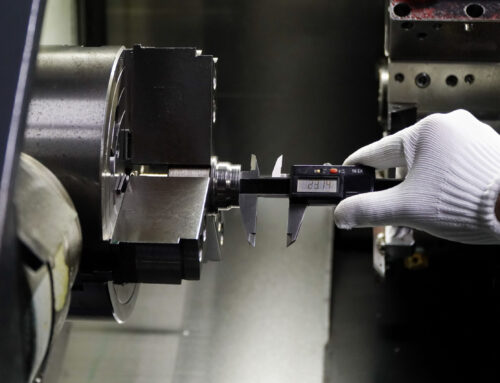
- Micrometer and bore gauge. Measure the journal with a micrometer, then the bearing bore with an internal gauge. Subtract to get radial clearance. Use consistent measuring pressure and calibrate tools before use.
- Assembled bearing check. Assemble the bearing shells to spec torque and measure the assembled bore. This reflects crush and shell distortion that a loose half shell will not show.
- Plastigage spot check. Place a short strip across the journal, carefully assemble, torque to spec, then disassemble and read the squish width. This is a quick verification, not a replacement for full metrology.
- Blue contact pattern. Apply layout dye or engineer’s blue, assemble without oil, rotate gently by hand, then inspect the transfer. A centered, even pattern supports your clearance readings and alignment.
- Dial indicator for runout. Measure journal runout in the housing. Excess runout can collapse the oil film at one point per revolution, even if your average clearance looks fine.
- Temperature control. Measure parts at a known temperature. One or two degrees of difference can change readings on large diameters.
- Cleanliness. Remove lint, grit, and burrs. Debris can skew bore readings and scratch surfaces, which then alters the oil film.
Common Failure Patterns Linked to Bad Clearance
- Wiping and smear. Often from tight clearance, poor alignment, or starved oil. You will see dull smeared areas on babbitt.
- Edge loading. From misalignment or lobed bores. Contact occurs at one edge, overheating that region.
- Fatigue cracking. From repeated overload of the film due to wrong clearance or rough surface finish.
- Thermal runaway. Metal temperature rises, oil thins, clearance tightens further, and the cycle accelerates toward failure.
- Oil whirl or whip. Excessive clearance with high speed can create subsynchronous vibration that beats up the babbitt and raises temperature.
- Cavitation and erosion. Poor oil delivery or wrong groove design causes vapor pockets that pit the babbitt over time.
Preventive Maintenance and Recordkeeping
Clearance control works best when you capture data and trend it. Build a living record for each bearing location, then keep your journal bearing clearance chart up to date with field results.
- Log every measurement. Record cold clearance, torque values, temperatures, and lubrication settings.
- Trend temperature and vibration. Rising bearing metal temperatures or new subsynchronous peaks call for a clearance review.
- Perform oil analysis. Viscosity shift, water content, or high tin and lead particles hint at film problems and babbitt wear.
- Plan rechecks at outages. Verify clearances anytime you open a housing or make an alignment change.
- Note process changes. New speeds, loads, or oil types should trigger a recheck of your chart values.
When to Call Fusion Babbitting
Some jobs need a specialist with the right equipment, materials, and experience. Fusion Babbitting Co., Inc., established in 1988 in Milwaukee, Wisconsin, brings more than 40 years of combined expertise to babbitt bearing repair, rebabbitting, rebuilding, reverse engineering, and new manufacturing. Located at 4540 W. Burnham St., the team supports clients across the country with 24 hour emergency services.
What Fusion Babbitting Can Do for You
- Repair, rebabbitting, and rebuilding. High quality work that meets or exceeds OEM specifications.
- Centrifugal casting. Strong bond strength and consistent bearing integrity using certified babbitt materials.
- Arc flame spray. Restores worn components and is machined back to original specifications.
- Reverse engineering. Detailed drawings and precise replicas of obsolete bearings.
- General fabrication and machining. Capacity for components up to 120 inches in diameter and length.
- New manufacturing. Custom, high precision bearings for OEMs and critical spares.
Industries and Applications Served
- Industries: aluminum mills, cement and chemical plants, fossil and nuclear plants, hydro and pump storage, marine repair, mines and steel mills, motor repair shops, paper mills, shipyards, and crushed stone producers.
- Applications: electric motors, hydro power systems, pumps, and turbines.
Fusion Babbitting blends advanced equipment with skilled specialists to deliver reliable bearings that keep your assets running. If your journal bearing clearance chart raises questions, their team can validate your values, repair damage, and help you prevent repeat failures.
Contact Fusion Babbitting at 414.645.5800 or 800.613.5118, or email sales@fusionbabbitting.com. Visit the shop at 4540 W. Burnham St., Milwaukee, WI 53219.
Build Your Own Journal Bearing Clearance Chart Template
A custom chart for your asset list prevents confusion and speeds up decision making. Here is a simple approach that will help you create a living document you can refine over time.
- List each bearing location. Include machine type, tag number, and shaft diameter.
- Capture duty details. Note speed range, load range, oil type and viscosity, and typical operating temperature.
- Record material data. Include shaft and shell materials, babbitt alloy, and any special coatings.
- Set initial targets. Choose a clearance range from your best reference data, then document the source.
- Add adjustment notes. Summarize factors that would move you up or down in the range, such as seasonal temperature change or new process demand.
- Track actuals. After each rebuild or outage, log measured clearances, blue checks, and performance results. Update your chart as you learn.
Fusion Babbitting can help you create or audit your journal bearing clearance chart and align it with OEM data and field history. That way your team has a single source of truth when time is short.
FAQ: Quick Answers About Clearance
- How often should I verify clearance? At every rebuild and whenever vibration or temperature trends change. For critical assets, validate during planned outages.
- What is the most common mistake? Ignoring thermal growth. Cold clearance that looks safe on the bench can be too tight or too loose at running temperature.
- What if my chart and OEM manual disagree? Default to the OEM, then cross-check with a specialist like Fusion Babbitting if field behavior does not match expected performance.
- Can I rely only on plastigage? Use it as a quick spot check. For full confidence, combine micrometer and bore gauge readings, assembled bore checks, blue patterns, and runout data.
- Why do I see edge wear with clearance in spec? Misalignment, lobed bores, journal taper, or poor groove design can cause edge loading even with correct average clearance.
- Can clearance fix oil whirl? Sometimes. Reducing excessive clearance and improving oil delivery can help. Also look at balance, stiffness, and damping.
- Do I need different clearances for start stop duty? Often yes. Frequent starts can benefit from adjustments and careful oil supply design to protect the film during lift-off.
Get Help Before Small Gaps Become Big Failures
Your bearings live or die by a few thousandths of an inch. Use a practical journal bearing clearance chart, follow the checklist above, and document what works in your plant. If you see rising temperature, new vibration peaks, or wipe marks, act fast. Fusion Babbitting is ready to help you repair, reverse engineer, or manufacture the right solution and confirm clearances that keep your equipment safe.
Call Fusion Babbitting at 414.645.5800 or 800.613.5118, or email sales@fusionbabbitting.com to review your journal bearing clearance chart and prevent the next outage. The team serves clients nationwide from Milwaukee and offers around the clock emergency services so you can stay up and running.