Why obsolete bearings do not have to stop your operation
When a bearing fails on an older machine and the original manufacturer is gone, every hour of downtime can feel costly and stressful. Many facilities keep these machines running because they are proven, well integrated with upstream and downstream processes, and paid for. The real problem is not the age of the machine. It is the availability of precision parts that fit and perform like the originals. That is where reverse engineering bearings becomes your best path forward.
Reverse engineering bearings is a structured way to capture the critical features of a worn or damaged bearing, recreate the original intent, improve weak points when needed, and manufacture a precise replacement. With the right partner, you can restore performance, extend machine life, and avoid risky redesigns. Fusion Babbitting has specialized in this work since 1988, delivering repair, rebabbitting, rebuilding, reverse engineering, and new manufacturing for clients across the United States from our Milwaukee, Wisconsin facility.
What reverse engineering bearings really means
Reverse engineering bearings is not guesswork. It is a repeatable process that turns a sample, a print that is missing details, or even a housing measurement into a complete plan for a reliable bearing. The goal is to match or exceed OEM intent using current best practices and materials. For Babbitt bearings, that means validating load capacity, film thickness, clearance, lubrication path, bond strength, and alignment so the bearing runs cool and stable under real loads.
Key outcomes you should expect
- A new bearing that fits your shaft and housing without modification
- Material selection that suits speed, load, and temperature
- Optimized clearances and geometry for the lubricant you run
- Documentation you can keep on file for fast future repeats
- Testing and inspection records that prove the bearing is production ready
Why bearings on older machines fail
Obsolete machines often keep working because they are built well. Bearings still fail over time due to a mix of wear, misalignment, and lubrication issues. Understanding these root causes helps your replacement last longer.
Common reasons for failure
- Contamination that scores surfaces and breaks the oil film
- Poor lubrication selection or blocked oil grooves
- Thermal cycling that changes clearances and contact
- Out-of-round shafts or housings after years of service
- Electrical discharge damage on motor bearings
- Improper fits or loss of bond between backing and Babbitt
Fusion Babbitting reviews these conditions during evaluation so we do not just copy a problem. We reverse engineer the bearing around how the machine really runs today.
When to choose reverse engineering instead of adapting parts
It can be tempting to adapt a close off-the-shelf bearing. That quick fix often causes greater wear on shafts and housings, overheats the machine, or forces alignment shims and spacers that introduce new stresses. Reverse engineering bearings is the better choice when precision and uptime matter.
Choose reverse engineering if you face any of these
- No OEM support and no reliable drawings
- Special geometry such as tilting pads, thrust faces, or custom grooves
- Large diameters or long lengths where fit is critical
- Demanding applications in pumps, turbines, electric motors, and hydro units
- Expensive downtime that makes a failed adaptation too risky
How Fusion Babbitting reverse engineers bearings
Fusion Babbitting follows a step-by-step process that blends hands-on craft with modern measurement and machining. Every job records traceable data so you can reorder with confidence.
1. Intake and consultation
We discuss the machine, operating conditions, failure symptoms, and your timeline. You send the damaged bearing, the shaft if possible, and any available prints. Our 24-hour emergency services can start the same day for rush projects.
2. Visual inspection and non-destructive testing
We clean and examine the bearing to locate cracks, porosity, and bond issues. We note wipe patterns, discoloration, and wear marks that point to misalignment or oil starvation.
3. Precision measurement and geometry capture
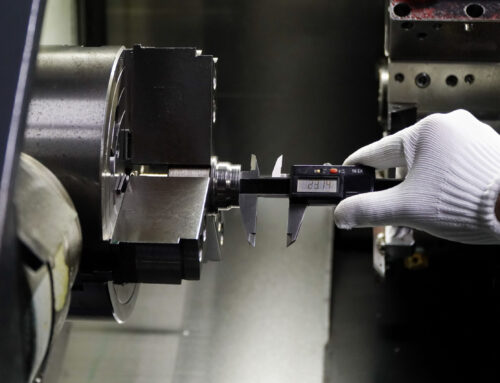
We measure bore size, roundness, taper, and alignment. We map oil grooves, holes, pockets, and reliefs. We check housing fits and thrust features. For large components, our general fabrication and machining capabilities handle up to 120 inches in diameter and length.
4. Material verification
We identify the Babbitt alloy and steel or bronze backing. If the existing alloy is not ideal for your load and speed, we recommend a modern certified Babbitt material. Our shop stocks and pours alloys that meet or exceed specifications for high load hydro, high speed motors, and heavy rolling equipment.
5. Engineering and drawing
We produce clear drawings that document every dimension, feature, and tolerance. The drawings become your permanent record, and they drive repeatable manufacturing in the future. Fusion Babbitting maintains digital files, so a reorder is simple.
6. Machining and preparation
We machine the shell, remove old bearing metal, and prepare the surfaces for a quality bond. Where wear is present on components that are reused, we apply arc flame spray and machine back to original dimensions for a stable base.
7. Centrifugal casting of Babbitt
We cast new Babbitt using centrifugal casting for a dense, uniform structure and excellent bond strength. Certified materials and controlled processes help the bearing carry load and shed heat. This is one of the key reasons customers choose Fusion Babbitting for reverse engineering bearings in critical service.
8. Finish machining and oiling features
We machine the final bore, pockets, oil grooves, and reliefs to the specified geometry. We hold tight tolerances to control oil film and vibration. For thrust faces and tilt pad designs, we match pad heights and pivot geometry.
9. Quality checks and documentation
We verify dimensions, finishes, contact patterns, and bond integrity. The final report includes measurements, materials, and test results. You receive drawings, inspection sheets, and any recommendations to improve installation or lubrication.
10. Assist with installation and break-in
We provide guidance for fit, alignment, and break-in so the bearing achieves a stable film quickly. If a problem shows up in the field, our team helps troubleshoot. The goal is one install and long, predictable life.
Costs and lead times for reverse engineering bearings
Budgets and schedules vary by size, complexity, and urgency. Here is what most teams can expect when planning.
Typical cost drivers
- Bearing size and weight
- Geometry such as thrust features or tilt pad designs
- Material grade and testing requirements
- Repair of associated components by arc flame spray or machining
- Expedite requests and shipping method
General ranges you can use for planning
- Small sleeve bearings for motors and pumps: about 800 to 3,000 dollars
- Mid to large turbine, hydro, or heavy mill bearings: about 5,000 to 40,000 dollars or more depending on size and features
- Typical lead time: 2 to 6 weeks, faster with our 24-hour emergency services and priority scheduling
Contact Fusion Babbitting at 414.645.5800 or 800.613.5118 for a firm quote. Share operating details and photos to speed up pricing.
How risk is managed during reverse engineering
Bearing replacement is not the time to gamble. A poor copy can run hot, chatter, or fail early. Fusion Babbitting reduces risk with proven methods and checks.
Key risk controls we use
- Centrifugal casting for consistent bond and structure
- Certified Babbitt alloys matched to load, speed, and temperature
- Precision machining with verified clearances and roundness
- Measured contact pattern and alignment checks
- Inspection records and material certifications
- Field support to confirm installation and lubrication
Choosing the right Babbitt and design details
Not all Babbitt is the same. Tin-based alloys handle higher speeds and loads and resist corrosion better than many lead-based formulations. The correct grade depends on your shaft surface speed, specific pressure, and oil type. Fusion Babbitting selects materials that meet or exceed OEM targets while recognizing how your process has changed over time.
Design features that improve performance
- Proper oil groove layout that feeds the loaded zone without starving the film
- Relief angles that prevent edge loading
- Thrust face geometry that balances load without overheating
- Surface finish that supports a stable hydrodynamic film
- Clearance matched to temperature and viscosity to avoid wipe or vibration
Tolerances and fit without the jargon
Even a great material will fail if the fits are wrong. Bearings need the right clearance to build a stable oil film. They also need the right housing and shaft fits so they stay in place and transfer heat.
General guidelines we validate for you
- Radial clearance that suits speed, load, and oil viscosity
- Roundness and taper that keep the film from collapsing
- Housing fit that provides proper crush and heat transfer
- Shaft finish and hardness that protect the film
- Alignment checks that stop edge loading
Fusion Babbitting sets and verifies these values during reverse engineering and final inspection.
Documentation you keep for the next outage
When a bearing is reverse engineered, you should not need to repeat that work later. Fusion Babbitting provides full drawings, measurements, and material details. We store this package so you can order a duplicate bearing quickly in the future without sending a sample.
Your deliverables typically include
- Manufacturing drawings with critical tolerances
- Material certifications and casting records
- Inspection report and final measurements
- Notes on installation, lubrication, and break-in
Industries and machines we support
Fusion Babbitting works with teams that run heavy and continuous operations. We understand the pressures of uptime, safety, and product quality.
Industries served
- Aluminum mills
- Cement and chemical plants
- Fossil and nuclear power plants
- Hydro and pump storage facilities
- Marine repair and shipyards
- Mines and steel mills
- Motor repair shops
- Paper mills
- Crushed stone producers
Typical applications
- Electric motors and generators
- Hydro power systems
- Pumps and compressors
- Turbines and gearboxes
A real-world style example
A paper mill runs a critical pump with an obsolete Babbitt bearing. The OEM closed years ago. The mill ships the worn bearing to Fusion Babbitting in Milwaukee. We inspect, measure, and discover the oil groove is feeding the unloaded zone. We update the groove pattern, choose a tin-based alloy for the speed and load, and set the radial clearance to match their oil and operating temperature. We cast using centrifugal methods, finish machine the bore and thrust face, and verify the contact pattern. The pump returns to service on schedule and runs cooler than before. The mill receives drawings and inspection records, making future orders fast and predictable.
How to prepare for a reverse engineering project
Good input speeds up results. Here is what to collect before you ship a bearing for evaluation.
Helpful information to include
- Machine type, model if known, and location in the plant
- Operating speed, load, and duty cycle
- Lubricant type and supply method
- Recent vibration, temperature, or oil analysis data
- Photos of the bearing in the housing and any visible damage
- Existing drawings or notes, even if incomplete
Shipping tips
- Clean off excess oil and pack the bearing to prevent movement
- Tag orientation and match halves if split
- Protect babbitted surfaces from impacts and scratches
- Include your contact info and a brief description of the failure
What sets Fusion Babbitting apart
Fusion Babbitting Co., Inc. was established in 1988 and operates from 4540 W. Burnham St., Milwaukee, WI. Our team brings more than 40 years of combined expertise focused on industrial bearings. We provide repair, rebabbitting, and rebuilding that meet or exceed OEM standards. Our reverse engineering program creates precise replicas of obsolete bearings, complete with clear drawings you can store. We use centrifugal casting for strong bonds and arc flame spray to restore worn components and machine them back to specification. We also provide general fabrication and machining for large components up to 120 inches in diameter and length, as well as new manufacturing for OEMs that need custom bearing products.
Frequently asked questions
What is the minimum information needed to start?
A sample bearing is best. If you do not have one, we can work from housing and shaft dimensions, plus operating data. Photos and any past drawings help.
Can you improve a troublesome OEM design?
Yes. When we reverse engineer bearings, we look for root causes like poor oiling or weak bond areas. We can adjust groove layouts, clearance, and materials to improve life.
How fast can you turn around a bearing?
Standard projects run 2 to 6 weeks. With our 24-hour emergency services, we can start right away and offer expedited options based on shop load and material availability.
Do you handle very large bearings?
Yes. Our fabrication and machining capacity supports parts up to 120 inches in diameter and length. Contact us to review your specific dimensions.
Will the new part fit my shaft and housing without rework?
That is the core goal of reverse engineering bearings. We measure and machine to match your equipment, then verify fit and geometry before shipment.
What documentation will I receive?
You receive engineering drawings, material certifications, and inspection reports. We keep digital records for easy reorders.
How to get started today
If an OEM has closed or no longer supports your machine, you still have a clear path to reliable operation. Reverse engineering bearings puts you back in control of uptime, cost, and quality. Fusion Babbitting is ready to help with skilled specialists, advanced equipment, and a proven process built for critical industries. Call 414.645.5800 or 800.613.5118, or email sales@fusionbabbitting.com to discuss your project. You can also ship your sample bearing to 4540 W. Burnham St., Milwaukee, WI 53219. We serve clients nationwide and are prepared to move quickly when every hour counts.
Summary and next steps
Obsolete machines are not a dead end. With reverse engineering bearings, you can create precise replacements that meet or exceed original performance, even when the manufacturer is long gone. Expect a structured process, strong materials, tight tolerances, and documentation you can trust for future outages. Fusion Babbitting combines repair, rebabbitting, centrifugal casting, arc flame spray, and full machining to deliver dependable results across power generation, metals, paper, mining, marine, and more. Reach out today, share your operating details, and keep your machines running at their best.