Understanding Bearing Sleeves, Shells, and Your Best Option
When a critical bearing fails, you face a tough decision. Should you repair the existing shell with new bearing sleeves, or should you order new shells? The right choice can protect your equipment, cut downtime, and reduce total cost. This guide explains how bearing sleeves work, where resleeving wins, and when new shells are worth the investment. We also share real examples and practical tips from Fusion Babbitting, a national leader in Babbitt bearing services since 1988.
Bearing sleeves are replaceable liners that restore the fit and function of a worn bearing shell. In many industrial applications, sleeves are made of Babbitt, a soft, conformable metal that supports precise hydrodynamic film and protects rotating shafts. Resleeving is the process of removing the old liner and installing a new one so the shell can be reused. New shells, on the other hand, replace the entire housing or body. Both routes can succeed. The best option depends on condition, budget, lead time, and planned life of the asset.
How Bearing Sleeves Work in Babbitt Bearings
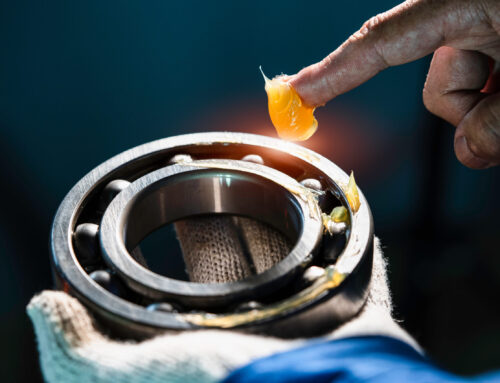
In a typical Babbitt bearing, the shell provides strength and geometry while the Babbitt layer provides a low friction surface that conforms to the shaft under proper lubrication. Bearing sleeves create or restore that precision surface. When done properly, resleeving brings the running clearance, alignment, and surface finish back into spec.
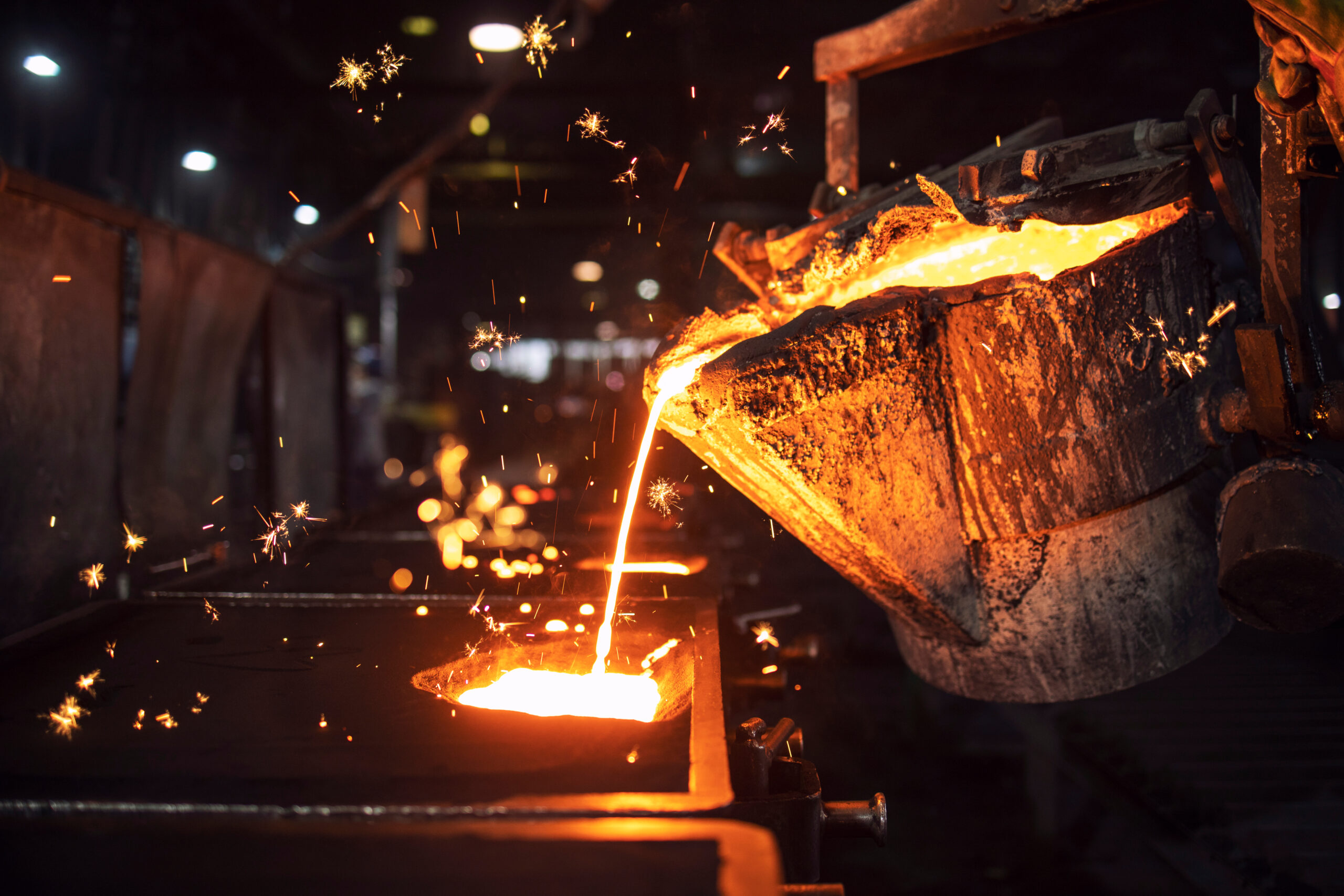
Fusion Babbitting uses certified Babbitt alloys that match the load, speed, and temperature needs of your asset. Through centrifugal casting and controlled machining, a new sleeve is bonded and finished to OEM or better tolerances. The result is a bearing that supports stable oil film, steady temperature, and long life without the cost and delay of new shells.
When Resleeving Bearing Sleeves Makes Sense
Resleeving is not just a patch. It is a precise repair that can restore like-new performance and extend the life of the original shell. Consider bearing sleeves if the shell structure is sound and the damage is limited to the liner or seating surfaces.
Common Wear Modes That Favor Resleeving
Most Babbitt bearing issues occur in the liner, not the shell. These include wipe, cavitation, fatigue cracks, corrosion, fretting at the parting line, and contaminated oil scoring. If the shell is intact and there are no deep structural cracks, resleeving is often the fastest and most cost effective path.
Inspection Signs That Support Resleeving
- Shell bores and backs are straight and round with no structural defects
- Mounting faces are flat with no elongation at bolt holes
- Oil feed, grooves, and reliefs can be restored to drawing
- Journal surfaces show recoverable wear only
- No major distortion or warping from thermal overload
Tolerances and Fit You Can Recover With Bearing Sleeves
A skilled shop can reestablish geometry and fit even after heavy wear. At Fusion Babbitting, technicians restore concentricity, journal size, and relief features, then machine the Babbitt to the specified oil clearance. Thrust faces, seals, oil dams, and anti-rotation features are also returned to spec. This is key for high speed applications such as turbines, pumps, and electric motors.
When New Shells Are the Smarter Choice
There are times when new shells are better. If your housing is cracked, badly distorted, or undersized beyond reclaim, resleeving may not hold alignment. Also consider new shells when the design must change. Upgrades like different cooling, oil groove layouts, or material changes can be easier with new manufacturing.
- Shell is cracked or fatigued beyond safe repair
- Mounting fits are out of tolerance and cannot be restored
- Severe corrosion has weakened the shell
- Major redesign is required for performance or safety
- Regulatory or warranty requirements mandate a new unit
Fusion Babbitting provides both resleeving and new manufacturing. If a new shell is the right call, the team can reverse engineer the part, create detailed drawings, and build a drop in replacement that meets or exceeds the original design.
Cost, Lead Time, and Risk: A Practical Comparison
Choosing bearing sleeves or new shells is a balance. Think about more than price. Consider the schedule, reliability, and the risk of delays.
- Cost: Resleeving usually costs less than new shells because the existing housing is reused. You pay for a new liner and precision machining rather than a full shell.
- Lead time: Resleeving often moves faster. Fusion Babbitting offers 24 hour emergency service nationwide. New shells may require extended material sourcing and machining time.
- Risk: With a qualified shop and certified Babbitt, resleeving is low risk. A proper bond, correct clearances, and QC checks keep performance consistent.
- Performance: In most cases, a resleeved bearing performs like new or better when the shell is sound. New shells may win only when a redesign is needed.
- Lifecycle: If your equipment has many years of planned service, both options can work. If the equipment will be retired soon, resleeving often delivers the best value.
Real World Examples of Bearing Sleeves Saving Assets
Hydro Power Pump Storage Facility
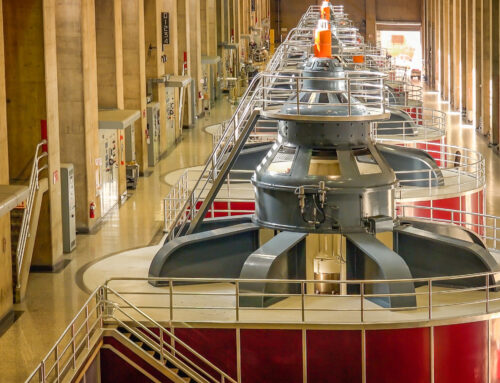
A pump storage plant reported high metal temperatures and vibration on a thrust bearing. The shell structure was intact, but the thrust faces were worn. Fusion Babbitting removed the worn liner, applied new Babbitt by centrifugal casting, machined the thrust pads to precise thickness, and restored oil wedge geometry. The unit returned to service in days, not weeks, at a fraction of the cost of new shells.
Paper Mill Dryer Section
In a paper mill, contaminated oil caused surface scoring on journal bearings. The shells were otherwise good. The team at Fusion Babbitting resleeved the bearings, restored oil grooves, and verified clearances. They also helped the mill improve filtration and alignment practices. Unplanned stops dropped the next quarter.
Marine Repair for a Shipyard Client
A shipyard needed a quick turnaround on propulsion bearings before a sea trial. New shells would miss the window. By resleeving the liners and flame spraying worn seating surfaces, Fusion Babbitting returned the bearings to spec and met the deadline. The vessel sailed on time.
The Fusion Babbitting Approach to Bearing Sleeves
Fusion Babbitting Co., Inc., founded in 1988 and based in Milwaukee, WI, is trusted by industries nationwide for Babbitt bearing repair, rebabbitting, rebuilding, reverse engineering, and custom manufacturing. The team combines 24 hour emergency service with deep expertise and advanced equipment.
Services That Support Reliable Resleeving
- Repair, Rebabbitting, and Rebuilding: Repairs meet or exceed OEM specifications. Bearings are restored to precise clearances and geometry.
- Centrifugal Casting: Produces a strong, uniform Babbitt bond. Certified alloys deliver the right hardness and fatigue resistance for your application.
- Arc Flame Spray Application: Restores worn surfaces, which are then machined back to original size for a tight, reliable fit.
- Reverse Engineering: If drawings are missing, Fusion Babbitting creates detailed models and documentation to replicate or improve the design.
- General Fabrication and Machining: Handles large components up to 120 inches in diameter and length with tight tolerances.
- New Manufacturing: Builds new shells or complete bearing assemblies when repair is not the best choice.
Industries and Applications Served
Fusion Babbitting supports aluminum mills, cement and chemical plants, fossil and nuclear plants, hydro and pump storage, marine repair, mines and steel mills, motor repair shops, paper mills, shipyards, and crushed stone producers. Typical applications include electric motors, hydro power systems, pumps, and turbines. The team understands the different demands of each environment and tailors bearing sleeves and rebuilds to match.
Our Quality Process for Bearing Sleeves
Quality is what makes resleeving dependable. Fusion Babbitting follows a documented process to ensure consistency and performance.
- Incoming Inspection: Inspect and measure the shell, record wear, and check for cracks or distortion.
- Preparation: Remove old Babbitt and clean the shell. Prepare bond surfaces and mask critical areas.
- Casting: Use centrifugal casting for consistent Babbitt density and strong metallurgical bonding.
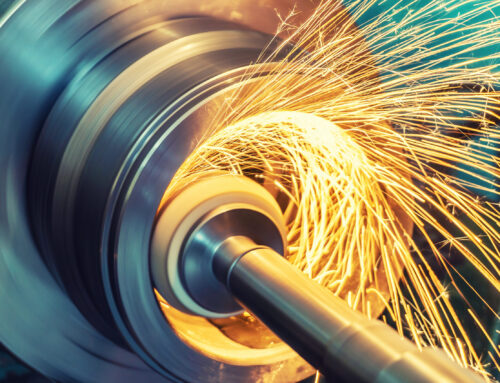
- Machining: Turn and bore to precise journal size, clearances, and finishes. Restore oil grooves, pockets, thrust faces, and relief features.
- Quality Checks: Verify roundness, concentricity, alignment, and surface finish. Inspect bond integrity and dimensional tolerances.
- Documentation: Provide measurements and final reports so you can install with confidence.
Step by Step: What to Expect During a Resleeving Project
Clarity helps keep projects on track. Here is what you can expect when you choose Fusion Babbitting for bearing sleeves.
- Consultation and Scope: Share symptoms, operating data, and timing needs. Emergency support is available 24 hours.
- Evaluation: Ship the bearing to Fusion Babbitting in Milwaukee, or request on site guidance if needed.
- Repair Plan: Receive a written plan with options, costs, and lead times. If new shells are better, you will get that recommendation too.
- Execution: Resleeving work begins. If other components need repair, arc flame spray or machining will be added to the scope.
- Final QC and Shipment: The bearing returns with documented measurements, ready to install.
- Aftercare Support: Get tips for running in, lubrication, and alignment to maximize service life.
How to Decide: Bearing Sleeves or New Shells
Use this simple framework to choose the best path.
- Shell condition: If the shell is sound, resleeving is a strong option.
- Timeline: If downtime is critical, bearing sleeves can save days or weeks.
- Budget: Resleeving often costs less with equal performance.
- Design needs: If you require a design change, new shells may be the right route.
- Asset plan: For assets with many years ahead, both options are viable. For assets near end of life, resleeving offers strong value.
Preventive Steps to Extend Life After Resleeving
After you install new bearing sleeves, a few practices can protect your investment.
- Clean Oil: Upgrade filtration and keep lubricant at the right viscosity.
- Proper Alignment: Check shaft alignment during install and after thermal growth.
- Correct Clearance: Verify journal and thrust clearances at assembly.
- Controlled Startups: Use proper run in and avoid dry starts.
- Vibration Monitoring: Watch for early signs of misalignment or imbalance.
- Temperature Tracking: Use RTDs or thermocouples to catch problems early.
- Scheduled Inspection: Plan periodic checks for oil groove condition and parting line health.
FAQs About Bearing Sleeves
How long do resleeved bearings last?
With proper lubrication and alignment, resleeved bearings often match the service life of new units. Performance depends on load, speed, temperature, and maintenance practice.
Will resleeving void OEM warranties?
It depends on your equipment and contract. Many clients use qualified rebuilders like Fusion Babbitting after the OEM warranty period. For regulated industries, Fusion can document materials, processes, and tolerances to meet compliance needs.
Can you resleeve obsolete bearings?
Yes. Fusion Babbitting can reverse engineer obsolete shells and produce accurate drawings. If the shell is not fit for reuse, a new shell can be manufactured to match your equipment.
What materials are used for bearing sleeves?
Certified Babbitt alloys are used based on application. The composition is selected to balance load capacity, fatigue resistance, and embeddability for your specific operating conditions.
How fast is a typical resleeving job?
Lead time varies by size, complexity, and workload. Many jobs can be completed in days. Fusion Babbitting offers 24 hour emergency service for critical assets.
Why Choose Fusion Babbitting for Bearing Sleeves
Fusion Babbitting brings more than three decades of focused bearing experience and over 40 years of combined specialist expertise. The company is based at 4540 W. Burnham St., Milwaukee, WI, and serves clients across the United States. From heavy industry to utilities and shipyards, the team understands the pressures of downtime and the need for precise, reliable work.
- Proven processes that meet or exceed OEM specs
- Certified Babbitt alloys and strong bond strength through centrifugal casting
- Large capacity machining up to 120 inches in diameter and length
- Reverse engineering for obsolete parts with detailed drawings
- Arc flame spray restoration for worn seating and fit surfaces
- Emergency turnaround to keep you online
Get a Fast, Clear Answer on Bearing Sleeves vs New Shells
If you are weighing resleeving against new shells, start with a quick consultation. Fusion Babbitting will review your bearing condition, operating demands, and schedule. You will get a clear plan to restore performance and control costs. Whether the right choice is bearing sleeves or a new shell build, you can rely on quality, speed, and transparency.
Contact Fusion Babbitting Co., Inc. at 414.645.5800 or toll free at 800.613.5118. Email sales@fusionbabbitting.com. Address: 4540 W. Burnham St., Milwaukee, WI 53219. Learn how the right bearing sleeves or new shells can protect your equipment and your bottom line.