Why Bearing Temperature Matters
An overheated bearing is more than a nuisance. Heat speeds up lubricant breakdown, changes metal clearances, and can push a healthy machine toward a sudden stop. If temperature keeps rising, a bearing can wipe, gall, or seize. That can damage the shaft and housing, increase repair scope, and extend downtime. The good news is most heat-related issues show clear signs before failure. With the right checks and quick action, you can protect uptime and avoid expensive repairs.
Red Flags Your Bearing Is Getting Too Hot
Early warning signs you can spot
- Temperature creep that is steady from shift to shift or higher than normal at startup
- Oil that turns dark, smells burnt, or shows varnish on housings and sight glasses
- Paint discoloration or bluing on the housing or nearby guards
- New or louder noise such as rumble, whine, or scraping
- Vibration trends that rise in overall amplitude or show changes in the spectrum
- Smoke or a haze near seals, vents, or breathers
- Higher motor current or power draw for the same load
- Frequent high-temperature alarms or nuisance trips
- Oil flow meters or pressure gauges that show reduced flow or pressure
- Oil leaks increasing at seals or joints
Any one sign may not confirm an overheated bearing, but two or more together mean you should investigate now. Treat a new heat pattern like a process upset that needs a root cause check, not like background noise.
Common Causes of an Overheated Bearing
- Insufficient lubrication from low oil level, blocked lines, or a failed pump
- Wrong lubricant viscosity that is too high or too low for speed and load
- Contamination from water, process chemicals, or dirt that spikes friction
- Seal damage that lets debris in or oil out
- Misalignment between bearing, shaft, and coupling that loads one side
- Excessive radial or axial load beyond design
- Improper internal clearance or incorrect fit during installation
- Surface finish or geometry defects on the shaft journal
- Inadequate cooling from clogged coolers, low water flow, or poor ventilation
- Electrical discharge damage from stray shaft currents in motor driven systems
- Frequent starts and stops that starve hydrodynamic films at low speed
- Thermal growth that was not accounted for during installation
You can avoid most of these with correct lubrication practice, clean oil, accurate alignment, and regular condition monitoring. If heat is already climbing, use the checks below to pinpoint the cause fast.
What to Check Before the Bearing Seizes
- Lock out and tag out. Make the area safe before you touch guards, hoses, or sensors.
- Verify temperature with two methods. Use an infrared thermometer on the housing and read embedded sensors if fitted. Record both readings and locations.
- Compare to normal. Check historical trends and OEM limits. A small rise that persists is as important as a large spike.
- Inspect oil condition. Look for dark color, haze, foam, water beads, or metal flecks in samples or sight glasses.
- Confirm oil level and flow. Verify reservoir level, line pressure, and return flow. Make sure strainers and filters are not bypassing.
- Check viscosity and grade. Make sure the oil matches the OEM specification and current ambient temperature.
- Review filtration status. Note filter differential pressure and service dates. Replace clogged elements.
- Examine seals and breathers. Look for cracked lips, worn rings, blocked breathers, or missing covers.
- Validate alignment. Use laser or dial indicators to check coupling and soft foot. Correct any offset or angular error.
- Measure shaft runout and journal condition where possible. Out-of-round or worn surfaces raise heat.
- Check load and speed. Confirm the duty matches design. Verify process changes, product density, or bypass valves did not change load.
- Assess cooling. Make sure water or air coolers have flow and clean surfaces. Clear fins and coils.
- Review clearance. If you have recent rebuild records, compare measured clearances to spec. Too tight runs hot.
- Listen with ultrasound. Ultrasonic tools can pick up friction or rubbing before vibration increases.
- Collect vibration data. Look for changes in sub-synchronous energy, oil whirl, or rub signatures.
- Investigate contamination sources. Check nearby washdowns, leaking heat exchangers, or failed steam traps.
- Document findings. Note temperatures, ambient conditions, lube details, and any process changes for your team and service partners.
Temperature guidelines and practical notes
Always follow the OEM temperature limits for your equipment. Many hydrodynamic babbitt bearings operate with oil outlet temperatures around 120 to 160 F. Alarm levels are often set near 180 F and trips near 200 F, but these values vary by design, oil type, and duty. A stable temperature that stays within spec is more important than any single number. A rising trend compared to your baseline is the key warning sign.
How to Cool an Overheated Bearing Safely
- Reduce load if the process allows and monitor temperature response.
- Lower speed when possible to rebuild an oil film and cut friction heat.
- Increase clean oil flow to carry heat away. Do not flood with dirty or wrong oil.
- Restore cooling water or air flow to design conditions. Check valves and strainers.
- Flush or change oil if contamination is present. Replace filters and clean strainers.
- Correct alignment and soft foot to reduce uneven loading.
- Clean vents and breathers so the housing can exchange air and shed heat.
- Verify shaft grounding for motor driven equipment to prevent discharge damage.
- Avoid sudden quenching with cold water on a hot housing. Thermal shock can distort components.
If heat drops after one of these steps, keep monitoring and plan a detailed inspection at the next safe stop. If heat does not respond or continues to rise, shut down and inspect. Preventing a seizure often protects the shaft and saves a rebuild.
Special Notes for Babbitt Bearings
Babbitt bearings rely on a smooth overlay that supports a full oil film when the machine is at speed. An overheated bearing can wipe that overlay, smear the surface, and change clearances. This reduces film strength and can start a cycle of more heat and wear. If you suspect wiping or bond issues, schedule an expert inspection. Fusion Babbitting uses centrifugal casting to restore a strong bond between the Babbitt alloy and the base shell. This method provides consistent thickness, reliable adhesion, and better long term performance compared to static pours for many applications.
Proactive Monitoring That Prevents Heat Problems
- Install RTDs or thermocouples at key points and trend data by asset and season.
- Use vibration analysis to catch misalignment, looseness, and rubs early.
- Apply ultrasound for lubrication optimization and to detect friction onset.
- Run regular oil analysis for viscosity, TAN, water, metals, and particle counts.
- Inspect filters and strainers on a schedule and track differential pressure.
- Audit alignment after major moves, coupling changes, or thermal growth events.
- Document clearances during rebuilds and compare at every service.
- Train operators to recognize temperature creep and to log observations.
These practices keep an overheated bearing from becoming a chronic issue. Small, regular checks are far less costly than a single catastrophic stop.
Industry Examples and What They Teach
Pumps and hydro systems
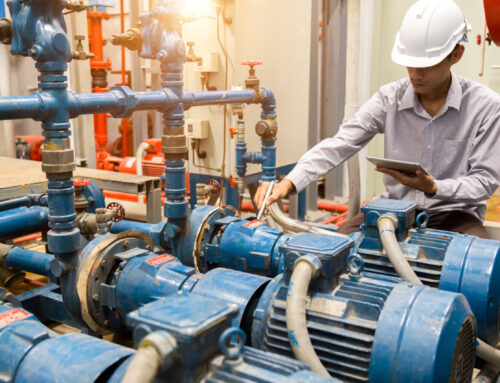
In pumped systems, a small drop in oil flow can lead to a sharp rise in bearing temperature, followed by vibration. Restoring clean oil flow often normalizes temperature quickly. Monitoring inlet strainers and verifying cooling water flow are simple ways to avoid heat events.
Turbines and generators
On high speed rotors, thermal growth and alignment issues are common drivers of heat. Laser alignment with hot alignment targets reduces friction and protects oil films. Shaft grounding also cuts the risk of electrical discharge damage that can raise heat and roughen the babbitt surface.
Steel mills, paper mills, and mines
These environments are hard on seals and breathers. Dust and water ingress raise friction and heat. Frequent seal checks, upgraded breathers, and strict lubrication practices are the best defense against an overheated bearing in these plants.
When to Call Fusion Babbitting
If your temperature trend is rising or you have hit an alarm, call the experts at Fusion Babbitting before the bearing seizes. Fusion Babbitting Co., Inc., established in 1988 and based in Milwaukee, WI, provides rapid response and high quality Babbitt bearing services nationwide. From emergency repair to complete rebuilding and reverse engineering, the company helps restore performance and protect uptime.
What Fusion Babbitting can do for you
- Repair, rebabbitting, and rebuilding that meet or exceed OEM specifications
- Centrifugal casting for strong bond strength and consistent bearing integrity using certified Babbitt materials
- Arc flame spray application to restore worn surfaces and machine back to original dimensions
- Reverse engineering of obsolete or hard to source bearings with complete drawings
- General fabrication and machining of components up to 120 inches in diameter and length
- New manufacturing of custom, high precision bearing products for OEMs
Fusion Babbitting supports a wide range of industries, including aluminum mills, cement and chemical plants, fossil and nuclear plants, hydro and pump storage, marine repair, mines and steel mills, motor repair shops, paper mills, shipyards, and crushed stone producers. Their services fit critical equipment such as electric motors, hydro power systems, pumps, and turbines. If you are fighting an overheated bearing, their team can step in with 24 hour emergency service, fast pickup, and turnarounds that reduce downtime.
Emergency response that limits downtime
- On site assessment and consultation to help stabilize conditions
- Disassembly, inspection, and failure analysis to confirm root cause
- Rebabbitting using centrifugal casting to rebuild the bearing surface
- Machining to precise fits and finishes based on OEM or reverse engineered drawings
- Balance and alignment support to ensure smooth, cool running
- Documentation and recommendations that prevent repeat overheating
Quick Field Checklist for an Overheated Bearing
- Record temperatures at consistent points on the housing and at embedded sensors.
- Verify oil level, grade, and flow. Take a clean oil sample for analysis.
- Check filters, strainers, and coolers. Restore design flow rates.
- Inspect seals, breathers, and vents. Replace or clean as needed.
- Confirm alignment, soft foot, and coupling condition.
- Measure load and speed. Note any process changes.
- Capture vibration and ultrasound readings for comparison.
- Plan a controlled stop if temperature does not stabilize.
- Contact Fusion Babbitting for expert support and fast repair options.
- Document everything for your CMMS and root cause review.
FAQ: Overheated Bearing Basics
Can I keep running with a slightly elevated temperature?
It depends on the OEM limit and your normal baseline. A small rise can be acceptable, but a steady climb means you should investigate. If you cross alarm limits or see multiple red flags, plan a controlled stop and inspect.
What lubricant issues cause the most heat?
Using the wrong viscosity, low oil level, and contamination are the top drivers. Verify the oil grade for your speed and load, keep reservoirs filled, and maintain filtration and seals to keep the oil clean and dry.
How fast can a bearing go from hot to seized?
It can take hours in mild cases or only minutes under heavy load with failed lubrication. Trend temperature and act as soon as you see a rising pattern or lose oil flow.
How do I know if wiping has started in a babbitt bearing?
Watch for rising temperature with new vibration at sub-synchronous frequencies, oil that darkens quickly, and metallic debris in filters. If you suspect wiping, shut down and call Fusion Babbitting for inspection and repair options.
What information helps a repair shop respond faster?
Provide bearing dimensions, part numbers, machine type, speeds and loads, recent temperatures and trends, oil type and viscosity, photos of the bearing and housing, and any maintenance history. Fusion Babbitting uses this data to plan materials, tooling, and schedule.
Protect Your Uptime With the Right Partner
Stopping an overheated bearing before it seizes can save the shaft, keep housings intact, and cut repair time. If you catch the signs early and follow a structured set of checks, you can often stabilize temperature and plan a short outage rather than a long rebuild. When you need expert help, Fusion Babbitting brings over 40 years of combined experience, advanced equipment, and skilled specialists to every job. Their team understands the cause and effect behind heat issues and knows how to return bearings to reliable service.
Contact Fusion Babbitting
For fast help with an overheated bearing or to schedule preventive service, contact Fusion Babbitting. Address: 4540 W. Burnham St., Milwaukee, WI 53219. Phone: 414.645.5800 or Toll Free: 800.613.5118. Email: sales@fusionbabbitting.com. Fusion Babbitting serves clients nationwide with 24 hour emergency services, high quality rebabbitting and rebuilding, reverse engineering, and custom manufacturing that meet or exceed OEM specifications. Reach out today to protect your uptime and prevent costly failures and downtime.