
Overview: Why sleeve bearings matter in high load pumps
Sleeve bearing advantages for high load pumps are clear when uptime, reliability, and low maintenance are your goals. In many critical pump applications, a properly designed sleeve bearing can outperform a roller bearing by carrying higher loads, damping vibration, and surviving dirty or wet environments. In this guide, you will learn when and why sleeve bearings win, what to watch during selection, and how Fusion Babbitting supports you with repair, rebabbitting, reverse engineering, and custom manufacturing to keep your pumps running.
Fusion Babbitting Co., Inc. has specialized in Babbitt bearing services since 1988. From their Milwaukee, Wisconsin facility, the team provides nationwide support, including 24 hour emergency services. If you operate pumps in power plants, paper mills, steel mills, marine, or mining, sleeve bearing performance and service quality can make or break your reliability targets. This article is written to help you make a confident choice.
How a sleeve bearing works
Hydrodynamic film basics
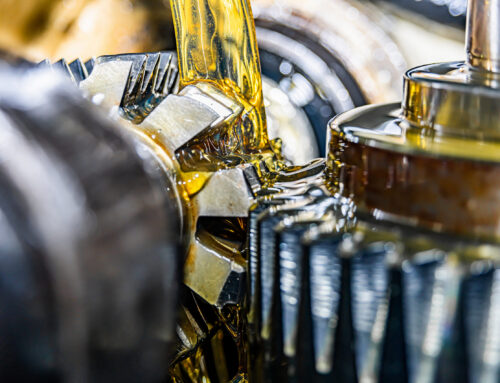
A sleeve bearing is a plain cylindrical shell that supports a rotating shaft. When the shaft spins with oil present, it drags the lubricant into a wedge shaped gap. That movement builds pressure in the oil film and centers the shaft without metal to metal contact. This is called hydrodynamic lubrication. The bearing surface rides on oil, which prevents wear and carries load. The idea is simple, but design and setup matter. Oil viscosity, bearing clearance, shaft speed, load, and surface finish all work together to form a stable film.
At startup and shutdown, speed is low and the oil film may not fully form. A soft yet strong bearing lining like Babbitt protects the shaft during these short boundary lubrication moments. Once the pump reaches operating speed, full film lubrication takes over and friction drops to a very low level.
Materials and Babbitt advantages
The most common lining for an industrial sleeve bearing is Babbitt, a family of tin or lead based alloys. Babbitt is valued because it is soft enough to embed small contaminants, conform to slight misalignment, and protect the harder shaft. It also has good fatigue strength, thermal conductivity, and compatibility with common pump oils. When bonded correctly to a steel or bronze shell, Babbitt gives a unique blend of strength and forgiveness that is ideal for heavy duty pumps.
Fusion Babbitting uses centrifugal casting to produce Babbitt linings with strong bond integrity. Certified alloys, proper preheat and spin casting, and post cast machining create a consistent lining thickness and finish. That consistency helps your oil film form the same way every time, which improves predictability and life.
Where sleeve bearings beat roller bearings in pumps
- High radial loads and large shaft diameters
- Continuous duty with long runtime between stops
- Dirty or water contaminated oil systems
- Shock loading and vibration control
- High temperatures near hot process fluids
- Alignment challenges and thermal growth
- Rebuildability and long term cost control
Heavy loads and big diameters
In large pumps with thick shafts and heavy impellers, a sleeve bearing spreads the load across a wide surface area. Roller bearings concentrate load at small points or lines, which can stress the rolling elements and raceways. As shaft diameter grows, roller bearing cost, speed limits, and cage stress can become barriers. A sleeve bearing thrives in this range, often with lower friction under steady load and with lower installed cost in very large sizes.
Dirty or wet environments
Pumps run near water, chemicals, and abrasive fines. Even with filtration, contamination happens. Babbitt linings can embed small particles and pass them through without scarring the journal. With a proper oil supply, the film flushes debris out of the loaded zone. Roller bearings are more sensitive to contamination since hard particles mark the races and set up spalling. In wet environments, water can wash out grease or pit rolling elements. A sleeve bearing with a clean oil system and water separators is more tolerant and easier to service.
Vibration damping and shock loads
Sleeve bearings provide natural damping due to the oil film and the compliant Babbitt layer. This damping reduces vibration amplitude, which helps fight resonance and protects seals and couplings. Pumps that see hydraulic surges, cavitation events, or process upsets benefit from this behavior. Roller bearings have less inherent damping, so they tend to pass vibration into the structure.
Thermal stability and temperature range
In applications near hot process fluids, a sleeve bearing sheds heat well through its shell and oil flow. Oil also carries heat to a cooler. Roller bearings rely on grease or oil splash and may run hotter in the same conditions. With a sleeve bearing, you can control oil flow, temperature, and cleanliness with a small circulating system and achieve very stable operation.
Start stop and high speed extremes
Very high speed pumps can push the limits of rolling elements. Cage stability, centrifugal loads on rollers, and lubrication film thickness become challenges. Sleeve bearings handle high surface speeds well with proper clearance, oil viscosity, and groove design. At low speed, a sleeve bearing needs care at start and stop, but with pre lubrication, proper materials, and alignment, it remains consistent and safe.
Rebuildability and lifecycle cost
When a roller bearing fails, you replace it. When a sleeve bearing wears, you can restore it. Rebabbitting rebuilds the bearing to like new condition. The shell is reused, a new Babbitt lining is cast and machined, and clearances are reset. For large pumps, this can reduce costs and lead time by a wide margin. Fusion Babbitting offers repair, rebabbitting, and reverse engineering, so you can return a critical pump to service quickly and at a controlled cost.
When roller bearings still win
- Small pumps with light loads and low purchase cost
- Limited lubrication infrastructure where grease is preferred
- Intermittent duty with many starts and short runs
- Applications where compact axial space is critical
Both bearing types have a place. The key is to match the design to the duty. For high load pumps in harsh service, the sleeve bearing often gives you more margin.
Selecting a sleeve bearing for a pump
Data to gather before you design or replace
- Shaft diameter and journal surface finish
- Operating speed and expected speed range
- Radial and axial loads during normal and upset conditions
- Oil type, viscosity grade, and expected temperature
- Bearing length to diameter ratio target
- Recommended clearance range from OEM or engineering standard
- Housing fit, alignment, and expected thermal growth
- Contaminant risks, water ingress, and filtration level
- Seal type and venting approach
PV limits and clearances
PV is the product of bearing pressure and sliding velocity. It is a quick way to judge if a sleeve bearing design is within safe limits for a given material and oil. Babbitt lined bearings in pumps usually operate at a modest PV when sized well, which is a good sign for long life. Clearance is also critical. Too tight and the oil film cannot form, too loose and you risk vibration and metal contact at start. Many pump journals target a clearance that is a small fraction of shaft diameter. Confirm with the OEM or a specialist since geometry, load, and oil viscosity change the target.
Choosing a lubrication method
Pumps use three common lube strategies. Oil bath with ring oilers suits moderate speed and simple housings. Flood or forced lubrication adds reliability, cooling, and clean oil to the loaded zone, which is ideal for high load or high speed duty. Directed grooves and pockets help spread oil evenly. Oil selection matters too. Higher viscosity supports the film at higher loads and temperatures, but too thick an oil can waste power at low temperatures. Most industrial pumps use ISO VG 32, 46, or 68, chosen based on temperature and speed.
Alignment, geometry, and journal finish
Even the best sleeve bearing will not survive misalignment. Check soft foot, base plate flatness, and coupling alignment. The journal should be round, smooth, and free of steps or scratches. Typical journal finishes fall in the low microinch range. Chamfer oil holes, clean passages, and confirm any bearing reliefs or tapers match the design. Fusion Babbitting can reverse engineer worn bearings and provide drawings with all critical features so field installs go faster.
Common failure modes and how to prevent them
- Wiping or scoring caused by loss of oil film. Prevent with clean oil, proper viscosity, and reliable feed.
- Fatigue cracking from overloading or misalignment. Reduce load with proper sizing and check fit and alignment.
- Cavitation erosion near oil grooves in high suction conditions. Improve oil delivery and adjust groove geometry.
- Corrosion from water and chemical attack. Improve seals, use water separators, and monitor oil condition.
- Electrical fluting from stray currents. Bond and ground shafts, consider insulating couplings or grounding brushes.
- Overheating due to low oil flow or blocked passages. Keep filters clean, verify flow rates, and add temperature alarms.
Installation and maintenance best practices
- Inspect the housing and journal. Verify roundness, finish, and cleanliness. Remove burrs and chamfer edges.
- Measure and record dimensions. Confirm clearance and crush per the design. Do not guess on fits.
- Dry fit and blue check. Verify contact at the proper areas and that oil grooves align with feeds.
- Pre lubricate before the first rotation. Ensure the oil system runs and vents are open.
- Align the pump and driver with thermal growth in mind. Use shims or adjustable bases as needed.
- Control contaminants. Install proper seals, breathers, and filtration. Keep a clean oil reservoir.
- Monitor temperature and vibration on first startup. Trend values and set alarms based on stable operation.
- Use oil analysis. Watch viscosity, particle counts, and water content. Adjust intervals to your environment.
- Plan periodic inspections. Check clearances, end play, and seal condition, especially after process upsets.
- Document and learn. Keep records of clearances, oil type, and temperatures to refine future selections.
Example scenarios where sleeve bearings excel
Paper mill process water pump. The pump runs continuously at moderate speed with frequent washdowns and water ingress risk. A sleeve bearing with Babbitt lining, ring oilers, and a small recirculating filter system handles the load, embeds fines, and keeps vibrations low. Rebabitting during a scheduled outage restores the bearing at a predictable cost.
Power plant circulating water pump. This unit sees heavy impeller mass, thermal gradients, and long runtimes. Sleeve bearings with forced lube and RTD monitoring provide stable temperatures and strong damping. Compared to large roller bearings, the sleeve setup is easier to cool and less sensitive to contaminants.
Dredge or mining slurry pump. Abrasive fines pose constant risk. A sleeve bearing with robust seals, clean oil, and Babbitt lining survives stray particles far better than a roller bearing. When wear increases, the bearing is rebuilt rather than replaced, cutting downtime and expense.
Why partner with Fusion Babbitting
Fusion Babbitting improves the performance and reliability of industrial sleeve bearings through skilled people, equipment, and responsive service. Established in 1988 and located at 4540 W. Burnham St., Milwaukee, WI 53219, the company serves clients across the United States and offers 24 hour emergency support. The team combines more than 40 years of experience with modern processes that meet or exceed OEM standards.
Services that support your pumps
- Repair, rebabbitting, and rebuilding. Worn or damaged bearings are restored to like new condition and verified against OEM specs.
- Centrifugal casting. Delivers strong bond strength and consistent Babbitt integrity using certified materials.
- Arc flame spray application. Restores worn components and is machined back to dimension.
- Reverse engineering. Precise replicas of obsolete bearings, complete with detailed drawings for your records.
- General fabrication and machining. Capacity up to 120 inches in diameter and length for large equipment.
- New manufacturing. Custom, high precision bearing products for OEMs and upgrades.
Industries and applications
- Aluminum mills, mines, and steel mills
- Cement and chemical plants
- Fossil and nuclear power plants
- Hydro and pump storage facilities
- Marine repair and shipyards
- Motor repair shops and paper mills
- Crushed stone producers
- Electric motors and generators
- Hydro power systems and turbines
- Pumps of all sizes and duties
Fusion Babbitting is ready to help you analyze failure causes, set the right clearance, and deliver a dependable sleeve bearing solution. If you need drawings, testing, or a fast turnaround, the team has the tools and capacity to deliver.
Contact Fusion Babbitting at 414.645.5800 or toll free at 800.613.5118. Email sales@fusionbabbitting.com to discuss your pump bearing needs or request a quote.
FAQ
Is a sleeve bearing the same as a Babbitt bearing
A Babbitt bearing is a type of sleeve bearing that uses a Babbitt alloy lining bonded to a shell. Many industrial sleeve bearings use Babbitt because it embeds debris, conforms under slight misalignment, and has good fatigue strength. Other sleeve bearings may use bronze or polymer, but Babbitt remains common in high load pump service.
What oil should I use in my sleeve bearing pump
Most pump bearings use a mineral based turbine oil or a high quality R&O oil. Viscosity grade is chosen by temperature and speed, often ISO VG 32, 46, or 68. Colder environments and higher speeds favor lower viscosity, while hotter and heavier loads benefit from higher viscosity. Always confirm with your OEM or bearing specialist. Fusion Babbitting can review your duty cycle and suggest an oil grade and groove layout that support stable films.
How long should a sleeve bearing last
With the right oil, clean conditions, and proper alignment, sleeve bearings in continuous duty pumps can run many years. It is common to see long service intervals with only minor inspections. Rebabitting during an overhaul returns the bearing to new condition and extends life further. Actual life depends on load, speed, contamination, and maintenance practices.
Can Fusion Babbitting rebuild obsolete bearings
Yes. Fusion Babbitting offers reverse engineering to create precise replicas when OEM parts are no longer available. The team develops detailed drawings, selects suitable Babbitt alloy, and manufactures or rebabbitts the bearing to meet your requirements.
How do I know if a sleeve bearing is the right choice over a roller bearing
Consider load, shaft size, runtime, contamination risk, temperature, and maintenance goals. If your pump is large, runs continuously, and faces vibration, shock, or dirty environments, a sleeve bearing often performs better and costs less to maintain. Fusion Babbitting can review your data and recommend the best path based on real world experience.
Conclusion and next steps
For high load pumps, the sleeve bearing delivers a strong mix of capacity, damping, durability, and rebuildability. It tolerates contamination better than roller bearings, runs cooler with controlled oil flow, and can be restored instead of discarded. With proper sizing, oil selection, and alignment, you can achieve long, stable service life and lower total cost.
If you are planning a pump rebuild, facing repeated bearing failures, or weighing a switch from roller bearings, talk with Fusion Babbitting. The team brings proven processes, modern casting and machining, and a focus on fast, reliable service. Call 414.645.5800 or 800.613.5118, email sales@fusionbabbitting.com, or visit Fusion Babbitting at 4540 W. Burnham St., Milwaukee, WI 53219. Put your sleeve bearing questions in expert hands and keep your pumps running strong.