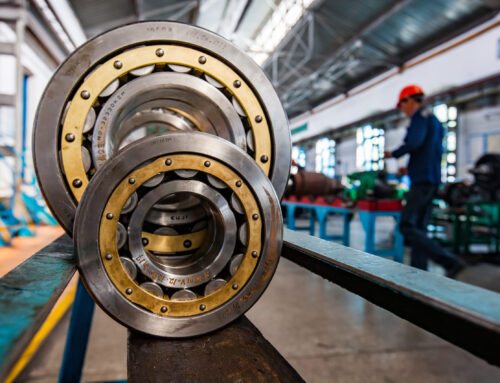

What Happens When a Bearing Overheats
When a bearing overheats, metal expands, clearances change, and the lubricant breaks down. The result is higher friction and rapid wear. If the heat is not controlled, you can see scoring, discoloration, babbitt wipe, cage damage, or even seizure. Once the temperature climbs, damage can progress in minutes. The good news is that many bearings can be restored to reliable service if you respond fast and choose the right repair method.
- Lubricant loses viscosity and film strength, which allows more metal contact.
- Thermal growth reduces clearance and increases friction.
- Surfaces oxidize and soften, which speeds material transfer and smearing.
- Shafts and housings can distort, which worsens misalignment and vibration.
Can You Repair an Overheated Bearing? The Short Answer
Yes, you can repair an overheated bearing in many cases. The type of bearing and the extent of the damage guide the decision. For fluid film and Babbitt bearings, professional rebabbitting, machining, and alignment corrections often bring them back to like-new performance. For rolling element bearings, replacement is more common, but repair of related components like housings and journals may solve the root cause. Fusion Babbitting helps plant teams evaluate damage and choose the fastest, safest path back to production.
When Repair Makes Sense
- Damage is limited to the bearing surface or journal and has not compromised the base material or structure.
- The bearing is a Babbitt bearing that can be rebabbitted using certified materials and proven casting methods.
- The housing, cap, and fit surfaces are intact and can be restored with machining or spray processes.
- Root causes like lubrication, alignment, or cooling can be corrected.
When Replacement Is Safer
- Cracks extend through the bearing shell or housing.
- Severe shaft scoring or out-of-round condition cannot be restored within tolerance.
- Seizure caused extensive transfer and distortion that exceed safe machining limits.
- Rolling elements and races show pitting, spalling, or cage failure that risk recurrence.
Warning Signs That Point to Overheating
Early detection prevents deeper damage. Watch for these symptoms and act quickly to repair overheated bearing issues before they escalate.
- Temperature rising faster than normal after startup or trending upward during steady load.
- Oil darkening, varnish, or burnt smell near the bearing housing.
- Change in vibration profile, especially higher friction tones or increased axial vibration.
- Wiping or discoloration on Babbitt surfaces, or blued steel on journals.
- Unexpected alarms from temperature sensors or flow switches.
- Oil flow reduction, foaming, or contaminated oil samples.
First Response: What To Do Right After an Overheat Event
- Shut down equipment in a controlled manner. Do not force rapid cooling with water or air because that can warp parts.
- Lockout and tag out the system. Confirm oil supply is off and drain if needed.
- Document readings and conditions. Note load, speed, oil type, flow rate, and temperature history.
- Perform a visual inspection. Look for wipe patterns, discoloration, debris, and blocked oil ports.
- Check alignment, shaft runout, and housing condition. Take measurements to compare to OEM specs.
- Preserve samples of oil and any debris. This can reveal contamination, varnish, or metal presence.
- Call a bearing specialist. Fusion Babbitting offers 24-hour emergency support to assess damage and recommend a repair plan.
Proven Ways to Repair an Overheated Bearing
For Babbitt Bearings: The Professional Rebabbitting Path
Babbitt bearings are highly repairable. The soft bearing layer is designed to protect the shaft and can be replaced with proper casting and machining. Fusion Babbitting uses certified Babbitt alloys and controls every step to restore OEM performance or better.
- Inspection and NDT. Inspect the bearing shell, bond integrity, and housing fit. Non-destructive tests and dye checks identify cracks or bond issues.
- Remove damaged Babbitt. Strip the worn metal and prepare the base shell. Clean and grit blast surfaces to ensure a strong new bond.
- Centrifugal casting. Apply new Babbitt using controlled centrifugal casting. This method delivers excellent bond strength, uniform density, and consistent thickness across the bearing.
- Arc flame spray for worn surfaces. If the shell or OD is out of tolerance, an arc flame spray build-up can restore material. Machining follows to return the correct fit.
- Precision machining. Machine the bore to the correct clearance, geometry, and alignment. Restore grooves and oil ports per OEM practice.
- Verification and quality checks. Measure bore size, roundness, and surface finish. Verify oil clearance and crush. Confirm oil port alignment and chamfers.
- Documentation and recommendations. Provide reports and updated drawings if needed. Include suggestions to prevent repeat overheating.
For Rolling Element Bearings
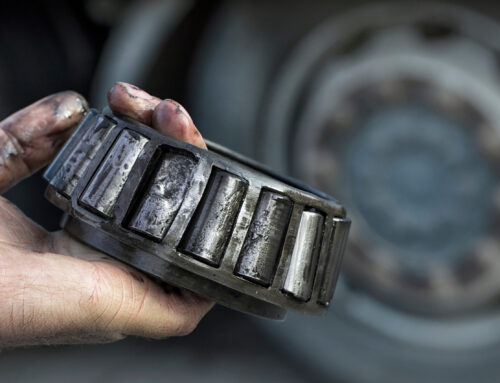
Rolling element bearings that overheat usually need replacement. However, related components often require attention to prevent the same failure from happening again.
- Replace the bearing with a new unit from a reputable supplier that matches load and speed requirements.
- Inspect and repair the housing, shaft seat, and seals to restore fits within tolerance.
- Correct alignment between coupling halves or sheaves.
- Flush lubrication lines, replace filters, and confirm the correct lubricant grade and quantity.
- Install temperature or vibration monitoring to catch early signs next time.
Why Bearings Overheat: Root Causes You Can Fix
Lubrication Problems
Lubrication is the most common reason for overheating. Too little oil, the wrong viscosity, or contamination can all break the protective film.
- Wrong oil grade for load or ambient temperature.
- Restricted oil supply or clogged ports and orifices.
- Oil degradation from long service life or excessive heat cycles.
- Water or process contamination that reduces film strength.
- Excess grease or incompatible grease mixing in rolling element bearings.
Mechanical Issues
Mechanical faults increase friction and heat. These conditions often develop slowly, so trending data helps catch them early.
- Misalignment of shafts, couplings, or gearboxes.
- Out-of-round or undersized journals.
- Improper assembly torque on caps or housings.
- Excessive load or shock events.
- Unbalanced rotors that drive vibration and metal contact.
Environmental and Operational Factors
External conditions can push a healthy bearing beyond its safe temperature window.
- High ambient temperatures with inadequate cooling airflow or water flow.
- Process upsets that increase load or speed beyond design.
- Dirty environments that introduce abrasive particles.
- Thermal cycling from frequent starts and stops without time for stabilization.
How Fusion Babbitting Repairs and Restores Bearings
Fusion Babbitting Co., Inc., established in 1988 in Milwaukee, WI, specializes in industrial Babbitt bearing services. When you need to repair overheated bearing damage, our team responds fast with proven processes, certified materials, and the capacity to handle large and complex parts. From emergency rebabbitting to complete reverse engineering, we deliver dependable results that protect your uptime.
- Repair, Rebabbitting, and Rebuilding. We restore bearings to meet or exceed OEM specifications, including geometry, clearances, and surface finish.
- Centrifugal Casting. Our casting process ensures strong bond strength and consistent bearing integrity using certified Babbitt alloys.
- Arc Flame Spray Application. We rebuild worn components and machine them back to original specifications for precise fits.
- Reverse Engineering. We create precise replicas of obsolete bearings with detailed drawings and measurement reports.
- General Fabrication and Machining. We handle components up to 120 inches in diameter and length, including split shells and housings.
- New Manufacturing. We produce custom, high-precision bearing products for OEMs and critical spares.
Reverse Engineering for Obsolete or Hard-to-Find Bearings
When replacement is not available, Fusion Babbitting can scan, measure, and document your bearing, then manufacture an equal or improved solution. We provide drawings, material certifications, and inspection data. This service shortens lead time and keeps older equipment running without compromise.
Quality Controls That Keep You Running
Every repaired bearing passes dimensional checks for bore size, roundness, and surface finish. We validate oil clearance, crush, and alignment of oil ports and grooves. If a shaft journal needs work, we can restore it within tolerance and help you confirm fit with blue check methods. These controls help your team confidently return to service after an overheating event.
Prevent Repeat Failures After You Repair an Overheated Bearing
Repair is only part of the solution. A few targeted improvements can prevent the same problem from returning.
- Set the right oil viscosity and flow. Consider seasonal changes and load profiles. Verify pump capacity and filter condition.
- Clean and verify oil ports and grooves. Confirm correct orientation and chamfering during assembly.
- Align shafts and couplings with laser tools. Check soft foot and ensure proper baseplate shimming.
- Restore journals and fits. Correct ovality and taper. Use proper interference fits per OEM recommendations.
- Improve cooling. Inspect coolers, confirm water flow, and clean heat exchanger surfaces.
- Upgrade monitoring. Add temperature sensors, vibration accelerometers, or simple sight glasses for quick checks.
- Train maintenance teams. Standardize lubrication procedures and inspection steps.
- Stock critical spares. Keep a spare bearing or shell set on hand if your process is time sensitive.
Industries and Applications We Support
Fusion Babbitting supports clients across demanding industries where reliable bearings are essential. Our ability to repair overheated bearing damage quickly helps reduce downtime and protect critical assets.
- Aluminum Mills
- Cement and Chemical Plants
- Fossil and Nuclear Plants
- Hydro and Pump Storage
- Marine Repair and Shipyards
- Mines and Steel Mills
- Motor Repair Shops
- Paper Mills
- Crushed Stone Producers
Common equipment we service includes:
- Electric Motors
- Hydro Power Systems
- Pumps
- Turbines
FAQs About Overheating and Bearing Repair
How long does it take to repair an overheated bearing?
Turnaround depends on size, damage level, and the urgency of your operation. Many Babbitt bearings can be inspected, rebabbitted, machined, and shipped in days. Fusion Babbitting offers 24-hour emergency services when production is at risk. We work with your schedule to minimize downtime.
Can you repair on site, or do we need to ship the bearing?
For precision work like rebabbitting and centrifugal casting, the bearing typically goes to our facility. We also support on-site inspection and consultation to help your team remove and reinstall the bearing correctly. We serve clients nationwide from our Milwaukee location and can arrange pickup and delivery when needed.
What information helps you evaluate a repair overheated bearing request?
- Equipment type, speed, and load details.
- OEM drawings or previous repair data if available.
- Bearing dimensions, material, and construction details.
- Operating history, lubrication type, and recent temperature trends.
- Photos of damage, oil samples, and any vibration reports.
What does overheated bearing repair cost?
Cost varies by size, material, and the scope of machining and casting required. Repairs are often far less expensive and faster than sourcing a new part, especially for large or obsolete bearings. Fusion Babbitting provides clear quotes, timelines, and options so you can choose the best path for cost and uptime.
Why Choose Fusion Babbitting for Overheated Bearing Repair
- Experience you can trust. Established in 1988 with over 40 years of combined expertise focused on Babbitt bearing repair and manufacturing.
- Certified materials and strict processes. Centrifugal casting delivers strong bonds and consistent results. Arc flame spray restores worn surfaces to precise fits.
- Full-service capability. From repair and rebabbitting to reverse engineering and new manufacturing, we deliver start-to-finish solutions.
- Large capacity and precision machining. We handle components up to 120 inches in diameter and length.
- OEM-level quality. Our repairs meet or exceed original specifications with complete documentation.
- Nationwide reach and fast response. Based in Milwaukee, WI, we support clients across the United States with 24-hour emergency services.
- Industry breadth. From power generation and steel mills to marine repair and paper mills, we understand your operating environment and constraints.
Get Help Now to Repair an Overheated Bearing
If your equipment is down due to heat damage, do not wait. The sooner you act, the more likely it is you can repair the bearing and prevent deeper damage to shafts, housings, and rotors. Fusion Babbitting is ready to help with fast evaluations, clear repair plans, and high-quality workmanship that lasts.
Contact Fusion Babbitting Co., Inc. today to discuss your situation or request a quote:
Address: 4540 W. Burnham St., Milwaukee, WI 53219
Phone: 414.645.5800 | Toll-Free: 800.613.5118
Email: sales@fusionbabbitting.com
When you need to repair overheated bearing damage, trust a team that lives and breathes Babbitt bearings. Fusion Babbitting will help you find the fastest path back to safe, reliable operation and will support you with the preventative steps that stop the problem from coming back.