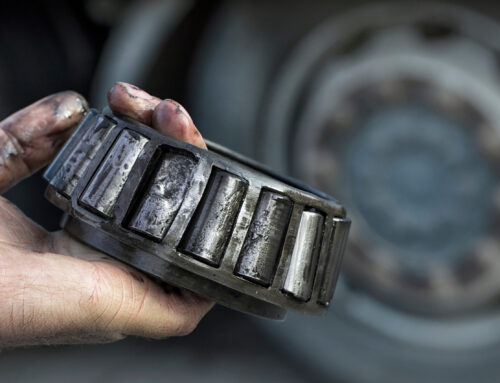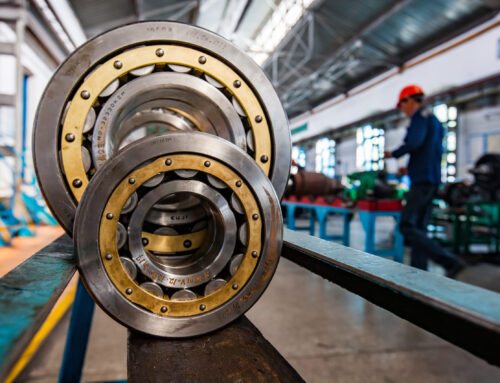
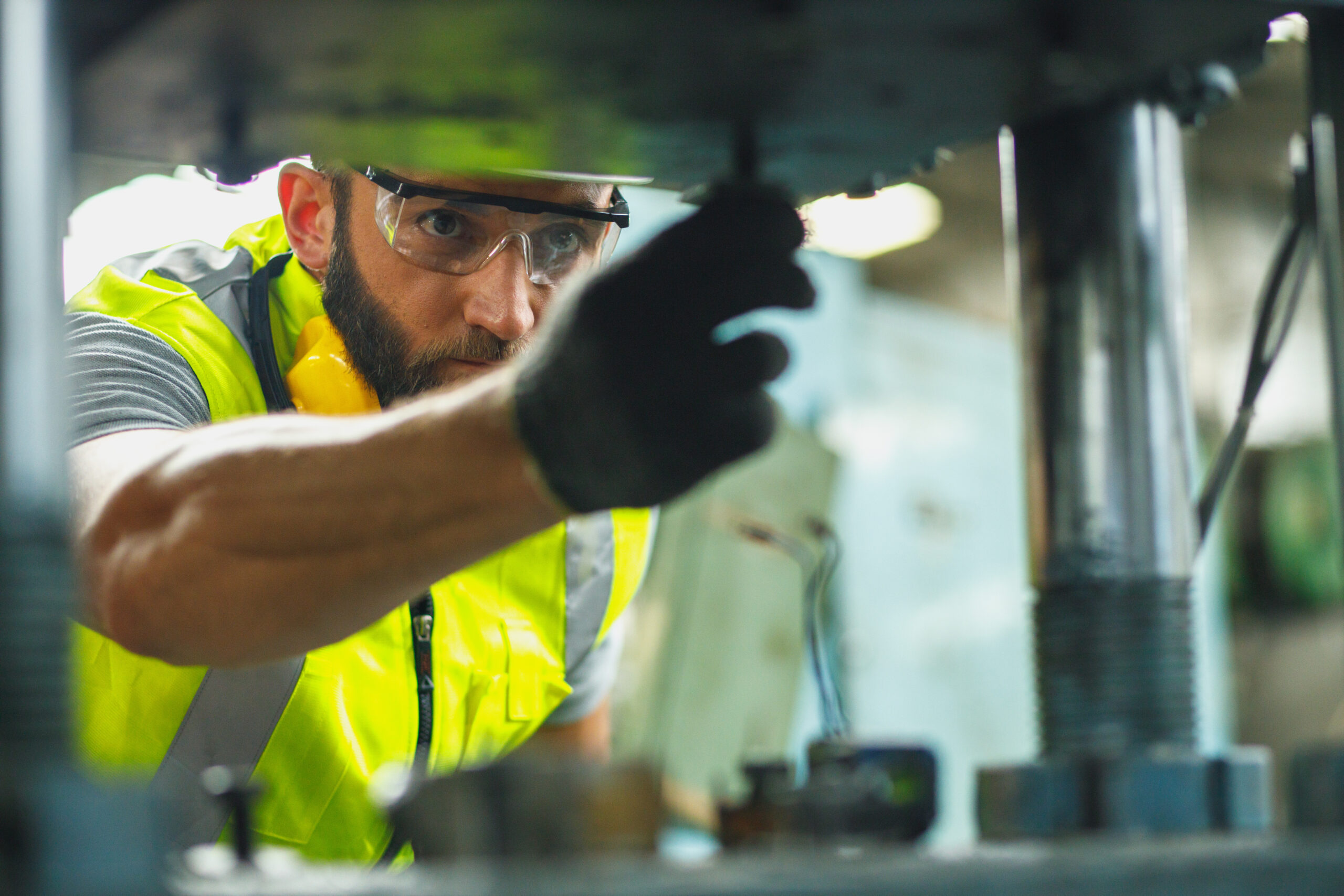
Damaged bearing repair starts with knowing what can be saved and what should be replaced. This guide explains how to identify salvageable wear, test performance, and decide on repair versus replacement. Learn expert steps from Fusion Babbitting and keep your equipment running.
Why Bearings Fail and What Damage Looks Like
Every bearing shows wear over time. The real question is whether the damage is within a safe and repairable range. Understanding why the damage formed and how it presents will help you make the right call before you commit to a shutdown or a rebuild.
Common Causes of Bearing Damage
- Inadequate lubrication or wrong lubricant for the load and speed
- Contamination from dirt, scale, or process debris
- Misalignment from installation, soft foot, or thermal growth
- Electrical discharge from improper grounding or VFD use
- Overload conditions and frequent starts and stops
- Improper fits that cause fretting or micro-movement
- Heat from poor cooling or circulation issues
Typical Damage Patterns and What They Mean
- Light scoring or polishing: Often from small particles. Usually repairable with cleaning and minor machining if within tolerance.
- Wiping or smearing on Babbitt surfaces: Often from loss of oil film or metal-to-metal contact. Frequently salvageable through rebabbitting if base metal and housing are sound.
- Spalling or flaking: A sign of fatigue. May be repairable if confined to the liner layer and the shell is intact.
- Cavitation pitting: Seen near oil inlets or high turbulence zones. Repairable if depth is limited.
- Corrosion or staining: From water ingress or chemical attack. Mild cases can be repaired. Severe pitting may require replacement.
- Overheat discoloration: Blue or dark areas point to hot spots. Check alignment and oil flow. Repair may be possible if the bond has not failed and dimensions are recoverable.
- Electrical pitting: Frosted appearance or fluted surfaces. Often requires liner replacement and grounding fixes.
- Fretting at fits: Rusty or dark bands where the shell meets the housing or shaft. May need spray build-up and machining.
- Cracks in the bearing shell: Usually a replacement case, but minor flaws in Babbitt can often be repaired through rebabbitting.
Is a Damaged Bearing Salvageable? Quick Screening Checklist
Use this fast screening method before you tear down equipment. It helps you see if damaged bearing repair is likely to succeed.
- Confirm lubrication history. If oil flow or type changed recently, the issue may be surface-only and repairable.
- Check operating trends. Rising temperature or vibration that developed slowly may point to wear rather than sudden failure.
- Inspect the housing and shaft fits. If fits are tight and round, the shell often can be salvaged.
- Look for deep gouges or cracks. Deep structural damage usually means replacement.
- Measure clearance. If clearance can return to spec with light machining or a new liner, repair is viable.
- Evaluate downtime limits. If repair time is shorter than lead time for a new part, repair often wins.
- Assess criticality. For non-critical positions, a well-executed repair can be more than adequate.
Hands-On Inspections You Can Do On Site
You do not need a full teardown to learn a lot about the state of your bearing. These simple checks can point you toward repair or replacement fast.
Visual and Tactile Inspection Steps
- Clean the surface. Remove oil film and residue to spot real defects.
- Use good lighting and a magnifier. Surface pits, wipe marks, and cracks show up clearly.
- Drag a fingernail across the surface. If you catch only light lines, polishing or rebabbitting can usually restore it.
- Check edges and oil grooves. Sharp edges, burrs, or blockage indicate lubrication problems that are often fixable.
- Observe color. Straw, brown, and blue zones point to heat. Heat alone is not a reason to scrap if the bond is solid.
Dimensional Checks That Guide Decisions
Even basic tools can tell you a lot about roundness and clearance. Take readings and compare to the OEM tolerance band.
- Inside diameter and roundness: If ovality is small, light machining can correct it.
- Taper across the bore: Uneven wear may hint at misalignment. Repair is often possible with line boring and correct alignment.
- Journal diameter: If the shaft is undersized from wear, plan for spray build-up or journal repair before reassembly.
- Axial position: Check for rub marks near steps or thrust faces that show axial load issues.
Surface and Bond Assessment for Babbitt Bearings
For Babbitt-lined bearings, the bond between the liner and the shell is vital. Look for signs of a good bond and stable base metal.
- Sound test: A gentle tap test can reveal delamination. A dull spot suggests a weak bond.
- Edge lifting: Look for liner lift at the edges. Minor lift may be repairable, but broad delamination points to replacement.
- Groove integrity: Cracked or flaked oil grooves call for rebabbitting.
- Shell condition: If the steel or bronze shell is intact, rebabbitting is a strong option.
Functional Tests Before Teardown
If the machine can run safely, operating data can confirm whether damage is surface wear or something more serious.
Vibration and Temperature Clues
- Vibration trend: A slow, steady increase often aligns with wear that can be repaired. A sudden spike may indicate cracking or severe misalignment.
- Frequency content: Sub-synchronous components may point to oil whirl or instability. Address lube issues and clearance first.
- Temperature rise: If temperature falls quickly when flow or viscosity is increased, the problem may be lubrication related and salvageable.
Lubrication Analysis
- Particle counts: High but steady counts suggest contamination that led to scoring. Filters and cleaning plus repair can restore service.
- Water content: Elevated water accelerates corrosion. Address seals and breathers. The bearing may still be repairable.
- Wear metals: Tin, lead, or copper trending up indicates liner wear. Rebabbitting is likely required.
When Damaged Bearing Repair Is the Smart Move
Repair is often the fastest, most cost-effective way to return equipment to service. With the right process, repaired bearings can meet or exceed OEM specifications. Fusion Babbitting has helped facilities extend service life while keeping downtime low.
Repair Paths That Work
- Rebabbitting: Remove the old liner, prepare the shell, and apply new Babbitt. Done correctly, this restores clearances and surface quality.
- Centrifugal casting: Produces a strong, uniform bond for Babbitt liners. Fusion Babbitting uses certified materials for integrity and repeatability.
- Arc flame spray: Build up worn journals or housings, then machine back to spec. Great for restoring fits without replacing the base part.
- Precision machining: Line bore housings, grind journals, and restore geometries for accurate alignment and load carry.
- Reverse engineering: When a part is obsolete, Fusion Babbitting can recreate precise replicas with drawings and quality checks.
- General fabrication: Large-diameter capability up to 120 inches lets you repair big equipment without long OEM lead times.
When Replacement Makes More Sense
Sometimes you should not attempt a repair. These signs mean replacement or new manufacturing may be safer and faster.
Red Flags That Call for Replacement
- Cracks in the bearing shell that reach the structural base metal
- Severe delamination of the Babbitt liner over wide areas
- Deep spalling or fractures caused by catastrophic overload
- Distorted housings or bores that cannot return to round without major rebuild
- Multiple previous repairs that reduced remaining life margin
- Damaged thrust faces beyond recovery
Cost, Downtime, and Risk Comparison
Choosing between repair and replacement comes down to a balance of technical feasibility, time, and total cost of ownership.
- Repair advantages: Faster turnaround, keeps original fitment, lower cost, and can return performance to OEM standards.
- New part advantages: Clean slate with full life, useful when damage is structural or drawings need changes.
- Downtime: If new parts have long lead times, damaged bearing repair can cut weeks off your outage.
- Risk: A qualified rebabbitting and machining process reduces risk by following proven steps and material standards.
A Simple Decision Framework
- Define the damage: Document type, depth, and coverage.
- Check fits and structure: Confirm the shell and housing are sound.
- Estimate repair path: Rebabbitting, spray build-up, or machining.
- Compare lead times: Repair turnaround versus new part delivery.
- Confirm performance target: OEM clearance, geometry, and bond strength.
- Choose the path that meets safety, cost, and schedule goals.
How Fusion Babbitting Evaluates Salvageability
Fusion Babbitting Co., Inc. has specialized in Babbitt bearing services since 1988. Based in Milwaukee, Wisconsin, the team provides damaged bearing repair, rebabbitting, rebuilding, reverse engineering, and new manufacturing for clients nationwide. With 24-hour emergency support, we help you recover from failures and prevent the next one.
Our team blends over 40 years of combined expertise with advanced equipment to restore performance. Whether your bearing serves an electric motor, pump, turbine, or hydro unit, our process aims to deliver repeatable, OEM-level results.
Our Repair and Inspection Process
- Incoming inspection: We clean, document, and measure the bearing. We verify roundness, taper, and signs of bond failure.
- Root cause review: We assess lubrication, alignment, and operating data to prevent repeat issues.
- Rebabbitting or build-up: Centrifugal casting establishes a strong bond with certified Babbitt. Arc flame spray restores worn surfaces as needed.
- Precision machining: We machine to final dimensions, set proper clearances, and ensure geometry meets or exceeds OEM requirements.
- Final QA and documentation: Dimensional reports, surface finish checks, and balance as needed. We return the bearing with recommended installation and lubrication guidelines.
Industries and Applications That Rely on Repair
Fusion Babbitting supports a wide range of facilities that depend on reliable bearings. Our capabilities cover components up to 120 inches in diameter and length, which helps large operations avoid long OEM backlogs.
- Aluminum mills, paper mills, and steel mills
- Cement and chemical plants
- Fossil and nuclear power plants
- Hydro and pump storage facilities
- Shipyards and marine repair shops
- Crushed stone producers and mines
- Motor repair shops and OEMs
Common applications include electric motors, pumps, turbines, gearboxes, and hydro power systems. If a bearing is obsolete or drawings are missing, our reverse engineering creates precise replacements with detailed drawings and quality records.
How to Prevent Repeat Failures After Repair
A successful repair is only part of the solution. To protect your investment, address the causes behind the original damage.
- Upgrade lubrication: Verify oil film thickness, viscosity, and flow. Install or service filtration and breathers.
- Improve alignment: Use laser alignment and correct soft foot. Check thermal growth and expansion joints.
- Control contamination: Add seals, labyrinths, or isolators. Use clean lube practices and desiccant breathers.
- Add electrical grounding: For VFD-driven motors, install shaft grounding and insulated bearings where needed.
- Monitor condition: Track vibration, temperature, and oil analysis. Set alarms based on trend changes, not only limits.
- Follow proper fits: Maintain housing and shaft fits to OEM spec to prevent fretting.
Frequently Asked Questions on Damaged Bearing Repair
How do I know if rebabbitting will work?
If the bearing shell is intact and the damage sits within the Babbitt layer, rebabbitting is often the best path. Fusion Babbitting uses centrifugal casting for strong bond strength and consistent liner quality. After casting, machining returns the bearing to OEM clearances.
Can you repair a bearing with deep scoring?
It depends on the depth, coverage, and whether the scoring reached the shell. Light to moderate scoring is often repairable. Deep grooves that compromise structure may require shell replacement or new manufacturing.
How fast can a repair be done?
Turnaround varies with damage and size. Many bearings can be inspected and repaired in days, not weeks. Fusion Babbitting offers 24-hour emergency services to help get critical assets back online fast.
Will a repaired bearing last as long as new?
When repair is done correctly and the root cause is fixed, performance can meet or exceed OEM specs. Follow-up on lubrication, alignment, and fits is key to achieving full life.
What if my bearing is obsolete?
Fusion Babbitting provides reverse engineering to create accurate replicas. We generate detailed drawings and manufacturing plans, then produce a new bearing with the clearances and geometry required.
Why Choose Fusion Babbitting for Damaged Bearing Repair
Fusion Babbitting delivers a complete set of services under one roof. From inspection and rebabbitting to arc flame spray, machining, and new manufacturing, we handle every step with process control. Our team works to current industry standards with certified Babbitt materials to ensure reliability.
- Repair, rebabbitting, and rebuilding that meet or exceed OEM specifications
- Centrifugal casting for strong bonds and consistent liner thickness
- Arc flame spray to restore shafts, journals, and housings
- General fabrication and machining for large-diameter components
- Reverse engineering to replace obsolete parts with precise drawings
- Custom manufacturing for OEMs that need high-precision products
Based in Milwaukee, Wisconsin at 4540 W. Burnham St., Fusion Babbitting supports clients nationwide. With more than 40 years of combined expertise and 24-hour emergency services, we help your facility reduce downtime and improve reliability.
Action Plan: What to Do Next
- Collect data: Photos, measurements, oil samples, and recent vibration and temperature trends.
- Perform a quick screening using the checklist above.
- Call Fusion Babbitting to discuss damage, tolerances, and deadlines.
- Decide on repair scope: Rebabbitting, machining, spray build-up, or new manufacturing.
- Implement root cause fixes on lubrication, alignment, sealing, or grounding.
Contact Fusion Babbitting
Ready to evaluate a bearing for repair or replacement? Talk with the team at Fusion Babbitting today. We will help you determine if the part is salvageable and map out the fastest path back to reliable operation.
Fusion Babbitting Co., Inc. Address: 4540 W. Burnham St., Milwaukee, WI 53219. Phone: 414.645.5800. Toll-Free: 800.613.5118. Email: sales@fusionbabbitting.com.
Whether you are managing electric motors, turbines, pumps, or hydro systems, damaged bearing repair does not have to be a gamble. With a clear inspection plan and a proven repair process, you can restore performance, control costs, and avoid long lead times. Fusion Babbitting is ready to help you make the right call and keep your equipment running strong.